5 Strategies to Seamlessly Integrate Agile and Waterfall Methods in Your Project Portfolio
In the realm of project management, the age-old debate between Agile and Waterfall methodologies persists. While Agile champions flexibility and iterative development, Waterfall emphasizes structured planning and sequential execution. But what happens when your portfolio includes a mix of both Agile and Waterfall projects? How do you bridge the gap and ensure seamless management across different methodologies?
The reality is that many organizations operate in a hybrid environment, where some projects are best suited for Agile, while others thrive under Waterfall. The key lies in finding a balanced approach that accommodates both methodologies within your portfolio.
Agile: Emphasizes iterative development, frequent feedback, and adaptability to change. Ideal for projects with evolving requirements and a high degree of uncertainty.
Waterfall: Follows a sequential process with distinct phases, emphasizing thorough planning and documentation. Suitable for projects with well-defined requirements and a predictable scope.
Bridging the Gap: Strategies for Success
Here are some practical strategies to effectively manage a portfolio with both Agile and Waterfall projects:
Embrace a Hybrid Approach: Recognize that there’s no one-size-fits-all solution. Adopt a flexible approach that allows for both Agile and Waterfall methodologies, choosing the best fit for each project based on its specific needs and characteristics.
Establish Clear Communication Channels: Foster open communication and collaboration between Agile and Waterfall teams. Ensure that everyone understands the different methodologies, timelines, and dependencies. Regular meetings, shared documentation, and collaborative tools can facilitate effective communication.
Adapt Reporting and Tracking: Adjust your reporting and tracking mechanisms to accommodate both Agile and Waterfall progress. Use tools and techniques that can visualize progress across different methodologies, providing a holistic view of the portfolio’s performance.
Foster a Culture of Collaboration and Learning: Encourage cross-functional collaboration and knowledge sharing between Agile and Waterfall teams. This can help break down silos, promote understanding, and foster a culture of continuous learning. Even with different methodologies, all projects within the portfolio should contribute to common organizational goals. Define clear objectives and metrics that apply across both Agile and Waterfall projects, ensuring alignment and facilitating performance tracking.
Leverage Tools and Technologies: Utilize project management tools that support both Agile and Waterfall methodologies. These tools can help you manage tasks, track progress, and visualize workflows across different project types, providing a centralized platform for portfolio management.
Oxalis: Your Partner in Bridging the Gap
Navigating a hybrid portfolio can be challenging, but you don’t have to do it alone. Oxalis Solutions, an Atlassian Platinum Solution Partner, is your experienced guide in bridging the gap between Agile and Waterfall.
Our team of certified experts takes a creative, consultative approach, understanding the unique dynamics of managing a diverse portfolio. We work closely with you to tailor solutions that accommodate both methodologies, ensuring seamless integration and optimized performance.
With Oxalis, you can trust that your portfolio management journey will be handled with the utmost care and expertise, ensuring a smooth transition and maximized ROI. We’re committed to your success, providing ongoing support and partnership every step of the way.
Ready to Harmonize Your Portfolio?
Don’t let the Agile vs. Waterfall debate hinder your portfolio’s success. Embrace a hybrid approach, foster collaboration, and leverage the right tools to bridge the gap and achieve seamless portfolio management. Contact us today for a no-obligation consultation and let’s chart your course to a harmonious and high-performing portfolio!
The 5 Stages of AI Maturity: Where Does Your Organization Stand?
Artificial intelligence (AI) is no longer a futuristic fantasy; it’s rapidly transforming the way we work and live. But while the potential benefits of AI are vast, simply adopting a few AI tools won’t magically catapult your organization to success.
Like any transformative technology, AI adoption requires a strategic approach and a clear understanding of your organization’s AI maturity. Let’s explore the five stages of AI maturity and discover where your organization stands on this exciting journey.
Stage 1: AI Unaware
At this stage, organizations have limited or no awareness of AI and its potential applications. There’s a lack of understanding about AI capabilities, and no strategic initiatives are in place to explore or adopt AI technologies.
Key characteristics:
No defined AI strategy or initiatives
Limited understanding of AI capabilities and benefits
Lack of skills and resources for AI development or implementation
Stage 2: AI Curious
Organizations at this stage are beginning to explore the potential of AI, often driven by industry trends and competitor actions. They may experiment with basic AI tools or conduct pilot projects, but there’s still a lack of a comprehensive AI strategy.
Key characteristics:
Initial exploration of AI tools and applications
Pilot projects and experimentation with AI
Growing awareness of AI’s potential benefits and challenges
Stage 3: AI Experimental
Organizations at this stage are actively experimenting with AI, implementing pilot projects in specific departments or functions. They’re starting to gather data and insights, but AI adoption remains fragmented and lacks a cohesive strategy.
Key characteristics:
Implementation of AI pilot projects in specific areas
Data collection and analysis to assess AI’s impact
Development of a comprehensive AI strategy and roadmap
Investment in AI infrastructure and talent
Measurement and tracking of AI’s impact on business outcomes
Stage 5: AI Transformative
This is the pinnacle of AI maturity, where organizations have fully embraced AI as a strategic driver of innovation and growth. AI is deeply embedded in their culture, operations, and decision-making processes.
Key characteristics:
AI-driven innovation and new business models
Continuous learning and adaptation to AI advancements
Strong ethical framework for AI development and deployment
Navigating the AI landscape can be complex, but you don’t have to do it alone. Oxalis Solutions, an Atlassian Platinum Solution Partner, is your experienced guide in assessing your AI maturity and developing a strategic roadmap for AI adoption.
Our team of experts takes a creative, consultative approach, understanding that each organization’s AI journey is unique. We work closely with you to identify opportunities, address challenges, and ensure responsible AI implementation that aligns with your business goals.
Ready to Unlock the Power of AI?
Don’t let your organization fall behind in the AI revolution. Embrace the journey to AI maturity and unlock the transformative power of AI for your business. Contact us today for a no-obligation consultation and let’s chart your course to AI success!
Organizations increasingly rely on portfolios to manage their strategic initiatives, drive innovation, and achieve business goals. But simply grouping projects together doesn’t guarantee success. You need a mature portfolio to maximize value and achieve strategic alignment.
What exactly does a mature portfolio look like? It’s more than just a collection of projects; it’s a dynamic system that enables effective decision-making, optimizes resource allocation, and fosters a culture of continuous improvement.
Let’s explore the seven key elements of a mature portfolio:
1. Strategic Alignment
A mature portfolio is tightly aligned with the organization’s strategic objectives. Every project within the portfolio contributes directly to achieving those objectives, ensuring that resources are invested in initiatives that drive the most value. This requires a clear understanding of the organization’s vision, mission, and strategic priorities. Organizations with a clearly communicated set of objectives and a disciplined project in-take process are much more likely to maintain alignment between project deliverables and business outcomes.
2. Clear Governance
Effective governance provides a framework for decision-making, prioritization, and oversight. A mature portfolio has well-defined roles, responsibilities, and processes for managing projects, ensuring accountability and transparency. This includes establishing clear decision-making authorities, communication channels, and escalation procedures. Organizations that streamline effective communication from project teams up to senior leadership, as well as down through the organization from senior leadership to teams, by using a unified work management platform eliminate communication loss and inefficiency.
3. Optimized Resource Allocation
Resources are finite, and a mature portfolio optimizes their allocation to maximize value. This involves effectively balancing resources across projects, prioritizing initiatives with the highest potential return, and ensuring that resources are aligned with the organization’s strategic goals. Organizations with a flexible platform for managing work get to realize the benefits of resource allocation optimizations much more quickly than organizations that require team members to learn new tools and techniques.
4. Data-Driven Insights
A mature portfolio relies on data to inform decision-making and drive continuous improvement. This includes tracking key performance indicators (KPIs), analyzing trends, and using data to identify risks, opportunities, and areas for optimization. Data-driven insights enable informed decisions about project selection, prioritization, and resource allocation. A culture that empowers local decision-making based on data is much more nimble, often able to execute on data and learnings more quickly than organizations that push tactical decision-making outside of project teams.
5. Agile and Adaptive
A mature portfolio is agile and adaptive, able to respond quickly to changing market conditions, business needs, and advances in technology. This requires a flexible approach to project management, embracing agile methodologies, and incorporating feedback loops to ensure the portfolio remains aligned with strategic objectives.
6. Continuous Improvement
A mature portfolio does not see the organization as a static entity; it’s a dynamic system that evolves and improves over time. This requires a commitment to continuous improvement, incorporating lessons learned, and actively seeking ways to optimize processes, enhance efficiency, and maximize value delivery. Effective organizations have a culture of continuous improvement supported by a set of working principals and frameworks to ensure that the portfolio improves with every iteration.
7. Effective Communication
Clear and consistent communication is essential for a mature portfolio. This includes establishing effective communication channels, providing regular updates to stakeholders, and fostering a culture of transparency and collaboration. Effective communication ensures that everyone is aligned and working towards the same goals. Having a unified or well-integrated platform for communication isn’t enough for an organization – mature portfolio management also champions of a culture of timely and impactful communications with concepts and tools such as OKRs, retrospectives, KPIs, risk and decision registers, and dashboards.
Building a mature portfolio can be a challenging journey, but you don’t have to go it alone. Oxalis Solutions, an Atlassian Platinum Solution Partner, is your experienced guide in navigating the complexities of portfolio management.
Our team of certified experts takes a creative, consultative approach, understanding that each organization’s needs are unique. We go beyond simply implementing the tools and technology of Portfolio Management; we work closely with you to understand your specific challenges and goals, tailoring solutions to optimize your portfolio and drive strategic alignment.
With Oxalis, you can trust that your portfolio management journey will be handled with the utmost care and expertise, ensuring a smooth transition and maximized ROI. We’re committed to your success, providing ongoing support and partnership every step of the way.
Ready to Unlock Your Portfolio’s Potential?
Don’t let your portfolio be a collection of disjointed projects. Embrace the principles of portfolio maturity and unlock the power of strategic alignment, optimized resource allocation, and data-driven decision-making. Contact us today to start your journey to a more effective and impactful portfolio management process with an assessment of your current tools and practices.
Striking a Balance: Embracing White-Glove Service in a Self-Help World
In today’s business landscape, self-service solutions have become the norm. But have we lost sight of the invaluable role of a personal touch?
Technology, while efficient, often places the burden of navigation and problem solving on the customer. However, a strategic blend of supportive processes, adaptable technology, and genuine human connection can craft a service model that prioritizes the customer experience without sacrificing efficiency.
In Search of the Human Element: Reclaiming Human-Centric Customer Service
From online shopping to troubleshooting tech glitches, self-service and automation have woven themselves into our everyday lives. Customer service, once synonymous with dedicated training and personalized interactions, has taken a backseat to automated responses and rigid support pathways.
While automation undoubtedly streamlines processes, it risks depersonalizing service interactions. Research highlights a strong consumer preference for human interaction in complex scenarios. According to a survey by Accenture, a staggering 83% of consumers favor human assistance over digital channels for intricate tasks. Furthermore, poor service led to an estimated $1.6 trillion loss for U.S. businesses in 2016 due to customer churn.
This underscores the importance of finding the right balance. While self-help tools have their merits, they shouldn’t replace the human touch. Technology is best utilized when it enhances the user experience from a human perspective.
When Self-Service Falls Short: The Case for White-Glove Support
Complex Problem Solving
Not every problem can be neatly solved by a chatbot. Complex issues demand human expertise and intuition. Cybersecurity threats or intricate technical glitches in IT service management, for instance, require the skilled intervention of professionals.
Personalized Support
Self-service solutions, while efficient, offer standardized responses. White-glove, human-centric customer service, on the other hand, provides the tailored assistance that customers crave. A poll by PwC found that 82% of U.S.-based consumers indicated they “want to interact with a real person more as technology improves,” while 59% of all consumers feel companies have lost touch with the human element of customer experience.
Building Trust and Loyalty
Human connection fosters trust and nurtures long-term relationships. It’s no surprise that customers with positive experiences tend to stick around longer. Case in point, a study by Harvard Business Review discovered that customers with good experiences were likely to remain customers for six times as long as customers with bad experiences. Customer service isn’t just about resolving issues; it’s about cultivating loyalty and positive brand perception.
Human interaction builds trust and fosters long-term relationships. People care about customer service and it affects not only perception but brand loyalty.
Data-Driven, Customer-Centric: Personalizing the Service Experience
Technology as an Enabler
The answer isn’t to reject technology but to harness its potential strategically.
A Two-Pronged Approach:
Offer customers transparent choices. A generic service route might take longer but guarantees personalized attention. Alternatively, a specific support path may be faster but requires more effort from the customer. This empowers customers while optimizing resource allocation.
Data-Driven Insights:
Leverage data analytics to understand customer preferences and pain points. This enables proactive issue resolution and personalized service delivery.
Omnichannel Communication:
Meet customers on their preferred platforms. Whether it’s chat, phone, email, or in person, offering diverse communication channels ensures accessibility and convenience.
Continuous Training:
Invest in your service agents. Equip them with the latest knowledge and tools to deliver exceptional service.
AReal-World Example
Oxalis partnered with a leading public transportation provider to design a customer-centric Jira Service Management system that delivered a white-glove service experience. By focusing on the user journey, Oxalis revamped intake, triage, routing, and notification processes. The result? A significant increase in customer satisfaction and perceived ease of use. This demonstrates the power of a customer-focused service model, even in sectors where it might not seem immediately obvious.
The Human Touch: The Ultimate Competitive Advantage
The digital age has brought remarkable advancements, but it shouldn’t come at the cost of human connection. Personalized service remains a cornerstone of exceptional customer experiences, particularly in complex fields like IT service management. By striking the right balance between technology and human interaction, we can deliver faster, more efficient, and ultimately more fulfilling service experiences. Remember, the self-help world shouldn’t overshadow the irreplaceable value of genuine human connection.
Ready to elevate your customer experience? Let’s explore how to infuse the human touch into your service model. Contact us today for a personalized consultation!
Women in Tech at Oxalis: Why Our Culture Rocks
We all know tech needs more women leaders, and honestly, we’re kind of killing it here at Oxalis. It’s more than just hiring amazing women – it’s about the way we work together, support each other, and make an impact on our clients. That’s our secret sauce.
Meet some of our stars: There’s Mary Sullivan, Sharon Liu, and Emelinda Daly – crushing it as Solutions Consultants and a Technical Specialist. These women aren’t just part of the team; they’re redefining what leadership in tech looks like. So, let’s hear it from them – the challenges, the big wins, and how being at Oxalis lets them make a real difference.
Mary Sullivan
Sharon Liu
Emelinda Daly
The tech world is changing fast. What skills and qualities do you believe are essential for women leaders to cultivate to make a lasting impact?
As a female leader, it’s crucial to speak your mind with both confidence and grace. It’s not always easy in male-dominated workspaces, but it’s how we make our voices heard and drive change.
MARY SULLIVAN, SOLUTIONS CONSULTANT
Sharon: As a woman in the workplace, I find that our innate emotional intelligence and attentive listening skills bring invaluable insights to client interactions. At Oxalis, I’m grateful that my perspective is not only acknowledged but actively incorporated into our solutions, ensuring that we effectively address our clients’ needs and challenges.
Mary: Building on Sharon’s point, being detail-oriented and a quick problem solver are so important. Often, clients come to us knowing an issue exists, but not how to fix it. We jump on calls, answer a barrage of questions, and find solutions collaboratively – all in real time. This fast-paced environment is where women at Oxalis truly shine. Our focus on details and our natural creativity allows us to think on our feet and deliver exceptional solutions under pressure.
Emy: I focus on the technical side, not sales, but great customer service is key. Too often, I overhear tech support blaming customers instead of figuring out the problem. My approach is simple: the customer had an issue, period. It doesn’t matter if the system’s perfect — something went wrong for them. Understanding how they use the system, and where it caused friction, lets us build better experiences for everyone. This way, we focus on solutions, not blame. My goal is always ensuring the customer can get their work done, regardless of who was “at fault.”
How do you approach building and maintaining strong relationships with customers in the tech sector? Are there any strategies or lessons you’ve found to be effective?
Building strong customer relationships is crucial, and video conferencing makes a big difference. Emails and texts lack the personal touch that fosters connection. A face-to-face Zoom meeting at the beginning sets the stage for a more positive experience. Seeing someone’s face allows for better engagement and helps you understand their communication style. This initial investment of time can lead to a smoother, more productive working relationship in the long run.
EMELINDA DALY, TECHNICAL SPECIALIST
Mary: I’ve found that taking a few minutes for genuine connection at the start and end of calls goes a long way. It adds a human touch, which is so important. Building rapport by asking about someone’s family or weekend plans helps forge that personal bond while keeping work goals in sight. Sharing a bit of my own personality – maybe some humor or a quick mention of my hobbies – invites others to do the same. This approach has made my customer relationships and internal collaborations so much stronger.
Emy: Every customer has a unique working style. Some are strictly focused on the task at hand, while others prefer a more collaborative approach. Understanding and adapting to their communication style is key to building a successful working relationship.
Sharon: Mary’s right. Taking a few minutes to genuinely ask ‘How are you doing?’ can make a huge difference in meetings. Clients often have struggles beyond the immediate project, and just listening creates a safe space to share. Sometimes we can even find ways to help! Investing time upfront to truly get to know your clients – especially during onboarding – builds trust and comfort. This leads to smoother communication and better collaboration throughout the whole project.
Why would you encourage women in the technology industry to join the team at Oxalis?
Oxalis empowers you to perform your best on your own terms. I love having the flexibility to be myself and find the work style that really drives my success.
MARY SULLIVAN, SOLUTIONS CONSULTANT
Mary: I would wholeheartedly recommend Oxalis to anyone, regardless of gender. What sets this place apart is how much Oxalis values the whole person. Too many workplaces don’t see the full picture of what you bring, and that’s why so many people end up unhappy in their jobs. Here, I’ve seen the company’s commitment firsthand: flexible schedules, generous leave policies – Oxalis truly supports its employees. That kind of respect makes a world of difference.
Sharon: The flexibility here is amazing. If you have a good idea, they encourage you to share it! Instead of shutting you down, they’re likely to say, “That’s fantastic – go for it!” This feels incredibly empowering, especially as a woman. Other companies I’ve worked for boxed you into a narrow role, which stifled my drive to contribute. At Oxalis, the possibilities feel endless, and I think that sense of potential is something we all value.
Emy: During COVID, I needed to take leave unexpectedly. Jon, our CEO was incredibly supportive. He not only helped me personally, but also championed a change to the company handbook. Now, there’s more flexibility for unpaid leave and sabbaticals — it’s about addressing the whole person’s needs. This supportive culture extends to vacations as well. Unlike previous jobs, I truly feel comfortable disconnecting when I’m out. Everyone respects personal time here, and management leads by example. As Mary said, I could not endorse Oxalis more highly for a place to create a career. They’ve built a fantastic team, and the company culture truly sets them apart.
Share an example of how Oxalis’ culture directly helped you develop a new skill or improve an existing one. How does this impact your work?
The flexibility here is amazing. If you have a good idea, they encourage you to share it! Instead of shutting you down, they’re likely to say, “That’s fantastic – go for it!” This feels incredibly empowering, especially as a woman.
SHARON LIU, SOLUTIONS CONSULTANT
Emy:Oxalis approaches every problem with an open mind. We’re solution-focused, which sometimes means developing entirely new skills along the way. The company supports this learning process, which has been invaluable for my professional growth. In my field, staying ahead means constant adaptation, and Oxalis gives me the space to do that.
Mary: Oxalis has transformed the way I approach consulting — how I present myself, even the words I use with clients. I’ve grown both by watching others and through my own successes and failures. Beyond the technical skills for my daily work, Oxalis fosters an environment where I’m always seeking new ways to improve. They’ve supported me in earning certifications, staying up to date on our technology, and constantly learning. This focus on personal and professional development isn’t something all my friends experience in their workplaces. Oxalis encourages me to expand my network, give back to my university, and pursue opportunities to grow both within and beyond the company.
Sharon: Oxalis is all about possibilities – the flexibility to explore and the support to grow. If I’m interested in something, like project management, I know they’ll help me pursue it. They give me the resources, the encouragement – it’s never about staying in one narrow lane. Being stuck doing the same repetitive tasks limits your growth potential. Oxalis opens possibilities. When you see an opportunity, they say ‘Go for it!’ That’s what’s propelled my professional development the most.
Beyond Women in Tech: How Oxalis Builds an Inclusive Workplace
The success stories of Mary Sullivan, Sharon Liu, and Emelinda Daly at Oxalis highlight the power of an inclusive company culture. Oxalis doesn’t merely talk about female leadership – they create an environment where everyone can thrive. They value confidence, detail-orientation, problem-solving, and empathy – essential skills for women leaders in tech. The focus on personal connection and understanding customer needs reinforces the benefit of a human-centered approach.
Most importantly, Oxalis empowers all employees to reach their potential. Their flexibility, emphasis on professional growth, and support for well-being create an environment where everyone can excel. This inclusive approach isn’t just about helping women succeed – it’s the key to innovation and progress within the tech industry. Oxalis sets a powerful example of how company culture can empower women leaders and shape a more inclusive future for the entire field.
Join our team at Oxalis and make your mark on the tech industry. Apply today and discover how your talent and passion can thrive.
Avoid Cloud Chaos: Partner with an Atlassian Cloud-Specialized Expert
The Atlassian Cloud is a powerhouse of collaboration and productivity, offering businesses the flexibility, scalability, and security they need to thrive. But migrating to the cloud can be complex, especially if you’re facing a tight timeline or dealing with a large and intricate Atlassian setup. That’s where Atlassian Cloud-Specialized Partners like Oxalis step in, providing the expertise and support you need for a seamless transition and a successful cloud experience.
What Sets Atlassian Cloud-Specialized Partners Apart?
Not all Atlassian Partners are created equal. Cloud-Specialized Partners have earned this distinction by meeting rigorous requirements set by Atlassian, including:
Deep Cloud Expertise: These partners have proven their mastery of Atlassian’s cloud products and services. They understand the intricacies of cloud architecture, security, and administration, ensuring your tools are optimized for peak performance.
Proven Track Record: They have a history of successfully completing complex cloud migrations for a variety of clients, even those with large and complex enterprise environments.
Licensing Expertise: They can help you navigate the licensing landscape and choose the options that best fit your organization’s needs and budget.
Comprehensive Support: They offer end-to-end support, from initial planning and migration to ongoing optimization and training, ensuring you get the most out of your Atlassian investment.
Why Working with a Cloud Expert Matters
In the face of the Atlassian Server end-of-life, many organizations are rushing to migrate to the cloud. A Cloud-Specialized, Platinum Solution Partner, like Oxalis, can be your lifeline during this transition, offering:
Strategic Guidance: They’ll work with you to develop a tailored migration plan that minimizes disruption to your business.
Technical Expertise: They’ll handle the technical heavy lifting, ensuring a smooth and efficient migration process.
Optimized Configuration: They’ll help you configure your cloud environment for maximum performance and security.
Ongoing Support: They’ll be there to provide training, troubleshooting, and ongoing support to ensure your team thrives in the cloud.
Oxalis: Your Trusted Solutions Partner
Oxalis is proud to be recognized as an Atlassian Cloud-Specialized Partner. We have a proven track record of successful cloud migrations, even for the most complex enterprise environments. Our team of experts will guide you every step of the way, ensuring a seamless transition and a cloud environment that’s tailored to your unique needs.
Ready to Unlock the Power of the Atlassian Cloud?
Don’t go it alone. Partner with Oxalis and experience the benefits of a smooth, successful, and stress-free Atlassian Cloud migration.
Contact Oxalis today to learn more about our Atlassian Cloud-Specialized services and discover how we can help you achieve your cloud goals.
AWS GovCloud User Guide is here to help you. Amazon Web Service’s GovCloud offers the similar services and the same high level of security as AWS, and meets specific regulatory and compliance requirements of US government agencies – such as FedRAMP High, ITAR, DFARS, and HIPAA – by running on a dedicated U.S. platform of hardware, network, and software, that are maintained by U.S. citizens only and provide customers with the ability to access the regions through FIPS 140-2 service endpoints.
GovCloud is available to federal government contractors and organizations in regulated industries, and is used by educational institutions.
For companies, government entities, and other organizations that do not have the manpower, capital, or other resources to host applications and digital workloads on their own, the AWS GovCloud offering provides the necessary compliant hosting infrastructure in the cloud. Quickly satisfy compliance requirements, such as CMMC Levels 1 through 3, without the overhead and risk of managing a data center on your own [Read our perspective on the state of CMMC here]. GovCloud offers all of this capability along with the traditional benefits of cloud scale and speed. Get started with Oxalis AWS GovCloud services.The services available with AWS GovCloud do differ from the services available with the public cloud offering of AWS, though AWS strives constantly to narrow the gap. For standard workload requirements, application hosting, or storage needs, services residing on Amazon’s sovereign cloud are more than sufficient, compliant, and safe to use; if there are specific services you need in GovCloud, AWS provides a guide to the service differences. Continue reading our AWS GovCloud User Guide to decide if this platform is right for you.
However, please note, AWS GovCloud is just a platform. Without a trusted partner or in-house knowledge of this advanced technology, you can quickly get yourself into trouble. Data exposures, compromised services and systems, or worse have all happened when organizations do not develop, deploy, or maintain well architected and operated cloud solutions.
Advantages of Moving to the Cloud
If you are thinking about moving to the cloud, chances are you have considered these main advantages. For those who are still evaluating, here are the primary advantages of moving your workloads to the cloud in a generic sense:
Elasticity – Using auto-scaling and load balancing, only use resources according to your demand.
Cost Savings – Only pay for the computing power, storage, and resources that you use! The AWS cloud also has no long-term contracts or up-front commitments.
Flexibility – You choose the system, programming language, and services that are right for your business.
AWS GovCloud (US) offers all of these advantages, with the addition of high security and compliance.
GovCloud is a compliant hosting infrastructure in an isolated section of Amazon’s AWS cloud.
GovCloud is equipped to handle all categories of Controlled Unclassified Information (CUI) data and government-oriented, publicly available data.
GovCloud restricts physical and logical administrative access to US citizens, and can run workloads that contain all categories of CUI data.
AWS only allows vetted US citizens with access controls to administer the GovCloud Region, and the AWS GovCloud sovereign cloud is completely isolated from Amazon.com.
Even though AWS does manage access controls for GovCloud, each business is responsible for controlling their own content.
Do you have questions about moving to the Cloud? Do you think AWS GovCloud is the right move for your business, or do you want to learn more? Oxalis provides AWS Govcloud Services that can help you scale your efforts.
There are many benefits of Amazon’s AWS as a cloud platform. For people unfamiliar with what AWS offers, here is a quick run down of the most common AWS Cloud services and why they matter:
Amazon Elastic Cloud Compute (EC2)
AWS Elastic Cloud Compute (EC2), one of the basic building blocks of any AWS cloud solution, provides dynamic and scalable compute capacity. EC2 is available in pay-as-you-go plans or discounted long-term contracts.
Business Example: EC2 can be used for dedicated hosting of applications, software and websites on the cloud. Dynamic and scalable compute capabilities make EC2 a key solution for a growing application or application
Amazon Simple Storage Service (S3)
The second key building block of an AWS cloud solution, S3 provides secure data storage on the cloud. S3 storage is accessible from any system connected to the internet and correctly authenticated into your AWS configuration.
Business Example: Permission-based file storage, accessible from anywhere by individuals or applications with the appropriate credentials.
Amazon Aurora and Amazon DynamoDB
Amazon Aurora and DynamoDB are the final core building blocks of the AWS cloud solution, offering relational and nonrelational database capabilities, respectively. Amazon Aurora is a relational database built for your cloud services and is compatible with both MySQL and PostgreSQL. Amazon DynamoDB is the NoSQL parallel to Amazon Aurora.
Business Example: Cost-effective open source database solution for your cloud applications and environments.
AWS Lambda
Similar to EC2, AWS Lambda offers compute capacity in the cloud, but executes serverlessly. Lambda comes at a small premium, but lets you run code without managing EC2s or incurring the ongoing costs of a dedicated instance. AWS Lambda will handle all administrative tasks, including server and system maintenance, capacity provisioning and scaling, and code monitoring and logging.
Business Example: Background tasks are best suited for AWS Lambda, where persistent server environments are not necessary and workloads are small, sporadic, or hard to predict.
Amazon ELB
Distribute incoming application traffic using an Amazon ELB (Elastic Load Balancing). ELB can function across availability zones and services including EC2 instances, containers, IP addresses, Lambda functions, and virtual appliances.
Amazon VPC
Amazon’s virtual private network solution, isolated within the AWS GovCloud. Defined per your requirements and specifications, including private IP address range, subnets, route tables, and network gateways.
Business Example: Deploy a VPC and ELB to logically isolate production back-end services from public entry point.
Amazon Workspaces
Secure, persistent, and managed cloud desktop virtualization services. Accessible from supported devices.
Business Example: Virtual Desktop Infrastructure is a standard security practice for organizations desiring to centralize their workforce within compliant and secure desktop infrastructure. Amazon Workspaces is the AWS GovCloud-available solution to meet this need
Simple Email Service (SES)
Recently added to the Amazon GovCloud (US) suite, SES is an email service for your AWS GovCloud (US) services.
Redshift
Redshift is a data warehouse service in the cloud. Capable of managing petabytes of data, Redshift is the AWS solution for acquiring new insights for your business.
CloudWatch
CloudWatch is AWS’s resource monitor service that can be used to collect and track metrics relevant for your applications and resources.
Business Example: Set up alarms to alert your administrators during an unauthorized access attempt to your AWS Console. Tie these alarms to a slack channel for quick and distributed alerting. An overview of a reference implementation can be found below:
AWS works constantly to improve their service offerings. Examples of recently announced GovCloud improvements include:
Adding Amazon SageMaker Studio to AWS GovCloud (US) Regions: SageMaker Studio is an integrated development environment (IDE) that provides a single web-based visual interface where you can quickly upload data, use notebooks on a wide range of instance types, train and tune models, run experiments, and collaborate seamlessly within your organization.
Adding AWS CodePipeline to AWS GovCloud (US-East): CodePipeline automates the build, test, and deploy phases of your release process when there is a code change, based on the release model you define.
Adding AWS Directory Service support for smart card authentication in AWS GovCloud (US-East) Region: Use Common Access Card (CAC) and Personal Identity Verification (PIV) smart cards to authenticate users into Amazon WorkSpaces through your self-managed Active Directory (AD) and AWS Directory Service AD Connector.
How do AWS GovCloud (US)’s Services Differ from Standard AWS’s?
AWS GovCloud vs AWS. Compliant vs. General Purpose. Premium vs Bargain. How do these two AWS tiers stack up against each other and is GovCloud worth it?
The good news is that both products provide agencies and businesses with a complete infrastructure web services platform in the cloud. This includes all of the above-mentioned compute, analytics, networking, monitoring, and storage services. If you need compliance, though, standard AWS can’t help you, since its data may be stored outside the continental U.S. and managed by non-US citizens, and AWS GovCloud (US) endpoints are only accessible to AWS GovCloud (US) customers. Similarly, FIPS 140-2 compliant endpoints are also available exclusively for AWS GovCloud (US) Regions.
It’s important to note that while most AWS services are available in GovCloud, there are often limitations, missing features, and restrictions to GovCloud services – due to the challenges of meeting compliance requirements. AWS provides a complete list of these differences, so do your homework. Here are a few examples:
EC2: Instances must be launched in an Amazon Virtual Private Cloud.
S3: The features S3 Transfer Acceleration, S3 Replication Time Control (S3 RTC), S3 Storage Lens are unavailable.
AWS Trusted Advisor: Not all checks are supported in GovCloud.
Amazon Cognito: Not all features are supported in GovCloud.
What Regulatory and Compliance Requirements can be Satisfied by AWS GovCloud (US)?
AWS GovCloud (US) is designed to meet the most stringent regulatory and compliance requirements encountered by U.S. Government agencies and contractors. Below is a list of some of these frameworks supported by AWS GovCloud (US):
International Traffic in Arms Regulations (ITAR) – ITAR controls the export of sensitive defense and military data, information, and technology.
Defense Federal Acquisition Regulation Supplement (DFARS) – DFARS is actually supported by the standard AWS cloud as well as GovCloud. This regulation applies to the safeguarding of DoD data, which includes data in the cloud.
The Federal Risk and Authorization Management Program (FedRAMP) – A Federal Government program that provides standardized security assessment and authorization criteria, as well as continuous monitoring for cloud products and services.
Department of Defense (DoD) Cloud Computing Security Requirements Guide (DOD SRG) – Standardizes the security assessment and authorization process for sensitive Defense Department data and systems operating in the cloud.
Cybersecurity Maturity Model Certification (CMMC) – The DoD’s comprehensive cybersecurity program to protect sensitive information.
Criminal Justice Information Services (CJIS) – Governs the security of criminal justice information services for federal and state and local law enforcement.
IRS-1075 – Applies to the protection of federal tax information.
FIPS 140-2, which specifies cryptographic security requirements to protect sensitive U.S. government information.
Health Insurance Portability and Accountability Act (HIPAA) – Protects the processing and storage of health information.
General Data Protection Regulation (GDPR) – Protects European Union (EU) individuals’ fundamental right to privacy and the protection of personal data.
AWS provides a full list of compliance certifications, attestations, regulations, alignments, and frameworks that are satisfied by GovCloud. It is important to note here that AWS GovCloud provides the infrastructure and design to enable customers to meet these regulatory requirements, but ultimately the implementation of cloud services within AWS GovCloud requires careful and intentional management to ensure security and compliance.
What are the Pros and Cons of AWS GovCloud versus Azure Government or regular AWS?
An entire article could be dedicated to this comparison, but for the sake of this blog we will keep it short. Amazon AWS and Microsoft Azure make up the largest public cloud services. Each company has made significant investment in security for their standard tier cloud infrastructure and extended that into full Government compliance with the AWS GovCloud and Azure Government offerings.
A few considerations to take into account:
AWS has been around longer. Launched in 2006 with the standard cloud offering, AWS was the first to offer Government-level compliant cloud services.
AWS features quick-start guides, helping you configure your instances to the tightest compliance requirements, such as HIPAA and CMMC.
Need help deciding? The choice can be difficult, but Oxalis is experienced in both Azure Government and AWS GovCloud. Reach out to our experts for assistance with evaluating the cloud migration dilemma. Get help with Govcloud Services.
Who Can Use AWS GovCloud (US)? What Requirements Do I Have to Meet In Order to Use AWS GovCloud (US)?
All U.S. persons can request access to AWS GovCloud (US) resources, but access is subject to approval. Access is restricted to customers who:
Are U.S. persons.
Not subject to export restrictions.
Who comply with US export control laws and regulations, including the International Traffic in Arms Regulations (ITAR).
Government entities are required to sign a customer agreement and an agreement specific to AWS GovCloud (US) in order to access AWS GovCloud (US) resources.
Interested in applying for access to AWS GovCloud? Oxalis has experience applying, deploying, and managing multiple AWS GovCloud instances internally as well as for our customers. Reach out for a fit consultation to determine if AWS GovCloud (US) is the right solution for your needs. Our U.S.-based team of experts can help you navigate the application process.
Once you’ve determined that AWS GovCloud (US) is the right solution for you, qualified customers can request access to from the AWS Management Console of a standard AWS account, by contacting an AWS business representative, or by reaching out to Oxalis for assistance.
What does AWS GovCloud Pricing Look Like? What Does Amazon Web Service Hosting Cost?
The AWS offerings within standard and GovCloud are vast and flexible. For the purposes of this quick comparison, we will focus on relative costs of the major compute and storage offerings of AWS Govcloud vs AWS. AWS is the standard for cloud-based offerings and can be taken as a benchmark when calculating the impact of moving to a compliant cloud like AWS GovCloud.
Note: Cloud compute and storage prices are constantly in flux so please consult the AWS calculator for the most up-to-date pricing: https://calculator.aws. The numbers included below are up-to-date as of August 2021.
Before diving into the numbers, let’s have a look at the AWS compute tiers to better understand what options are available and begin to decipher Amazon’s naming conventions. EC2 offers the most customization and the options can often be overwhelming when reviewed for the first time. Read on to learn the framework. Contact us to learn more about AWS Govcloud Services.
An Intro to EC2 Tiers
Amazon groups EC2 compute options into tiers, which offer varying optimization balances to maximize your EC2 purchase. These tiers are differentiated by an alphanumeric ID representing the ratio of Memory, vCPU, Network Performance, and Storage provided to each instance. Each tier is cost-optimized for that particular ratio. You can use the AWS calculator to determine the appropriate tier based on a particular memory or vCPU requirement, or you can select a specific tier via the Advanced Estimate option.
The EC2 Families
To better understand the AWS offerings, we can group the tiers into five families:
General Purpose
T3, T3a, T2 Instance Types are configured for the lowest price general purpose computing.
These are your standard current-generation instances for a majority of your application support needs.
Compute Optimized
The C5, C5n, and C4 instance types offer the lowest price per CPU ratio of the instance types.
Memory Optimized
The R6g, R5, R5a, R5n, R4, X1e, and X1 instance types are memory optimized with standard network performance for a more affordable option than the Accelerated Computing family.
Accelerated Computing
P3, P2, Inf1, G4, G3, and F1 feature accelerated computing with high Network Performance ratings and enormous Memory options.
Storage Optimized
The I3, I3en, D2, and H1 families make up the storage optimized instances, featuring dedicated SSD storage instead of the standard EBS storage option.
AWS Pricing Compared to AWS GovCloud (US)
Note: Cloud compute and storage prices are constantly in flux so please consult the AWS calculator for the most up-to-date pricing: https://calculator.aws. The numbers included below are up-to-date as of August 2021.
You likely have a number of questions when it comes to AWS GovCloud pricing:
How much more expensive is AWS GovCloud (US)?
How much does a standard selection of AWS GovCloud (US) services cost when compared to AWS Standard?
How much does AWS GovCloud (US) cost per hour? Per month? How does that pricing change when reserved in an annual subscription?
Using AWS GovCloud West and US West (Oregon) regions for GovCloud and AWS Standard estimates, respectively.
1 year cost estimate is for 100% upfront payment
1 – S3 Standard Storage Costs per Month
Storage Size
AWS (USD)
AWS GovCloud (US) (USD)
% Difference
1 TB
23.55
39.94
70% Increase
100 TB
2,304.00
3,891.20
69% Increase
1000 TB
22,067.20
37,222.40
69% Increase
2 – EC2 Hourly Compute Costs per Hour (On-Demand and 1 Year Reserved)
Example Specifications
Family
Tier
Memory
vCPUs
Network Performance
Storage
General Purpose
t3.large
8 GiB
2
Up to 5 Gigabit
EBS only*
Compute Optimized
c5.large
4 GiB
2
Up to 10 Gigabit
EBS only*
Memory Optimized
r6g.large
16 GiB
2
Up to 10 Gigabit
EBS only*
Accelerated Computing
inf1.xlarge
8 GiB
4
Up to 25 Gigabit
EBS only*
Storage Optimized
i3.large
15.25 GiB
2
Up to 10 Gigabit
1 x 475 NVMe SSD
*EBS = Elastic Block Store: either SDD or HDD-based high-performance block storage
Cost Comparison
Family
Selected Tier
On-Demand Hourly Cost AWS (USD/hr)
1 Year ReservationAWS (USD/hr)
On-Demand Hourly Cost GovCloud (US) (USD/hr)
1 Year Reservation AWS GovCloud (US) (USD/hr)
% Difference (1 year reserved)
General Purpose
t3.large
0.0832
0.0487
0.0976
0.0574
18% Increase
Compute Optimized
c5.large
0.085
0.05
0.102
0.06
20% Increase
Memory Optimized
r6g.large
0.1008
0.0593
0.1208
0.071
20% Increase
Accelerated Computing
inf1.xlarge
0.228
0.134
0.228
0.169
26% Increase
Storage Optimized
i3.large
0.156
0.099
0.188
0.12
21% Increase
3 – Lambda – Serverless Compute Costs Per Month
AWS Lambda starts to become more cost-effective than standard EC2 when running small workloads at most one quarter of the time (when compared to an always-on compute load). Interestingly enough, there does not appear to be a premium on running Lambda functions on AWS GovCloud (US) at this time.
Lambda Memory Size (GB)
Execution-seconds*
AWS (USD)
AWS GovCloud (US) (USD)
% Difference
2
1296000
36.59
36.59
0 %
2
2592000
80.05
80.05
0 %
4
1296000
79.79
79.79
0 %
4
2592000
166.45
166.45
0 %
*Assuming each execution runs for either 0.5 or 1 second, distributed over 1 month.
Increased compliance and security comes at an increased cost. Approximately 25% greater cost.
As expected, our calculations show that AWS GovCloud (US) is more expensive than standard, approximately 10% to 70% increase in cost, depending on the service. Some key takeaways:
Certain services, such as CloudWatch, did not experience a significant price change (7-8%) when upgraded to an AWS GovCloud (US) datacenter deployment while Lambda services did not increase in price at all.
Storage was the most significant increase in price at an average of 69% increase
Compute resources fell within the average with a 18% – 26% increase in price for computing.
Calculating your migration costs and need help? Reach out to our team of experts to evaluate your cloud migration landscape and anticipated costs. We can help you set up the cost calculator and find the solution(s) that meet your specific needs. Ready to learn more about GovCloud services?
So you’ve decided AWS GovCloud is the right solution for your needs. How do you go about purchasing a license and getting started with configuration? The first step is to sign up for the service, which can be done manually or through a solution provider such as Oxalis.
Interested in contacting a Govcloud services provider? Learn more about Us.
Sign Up
Option 1 – Create an AWS GovCloud (US) account through a Solution Provider.
Recommended for organizations who don’t yet know what AWS services they will need, or those who are interested in optimizing their AWS GovCloud procurement and resource allocation.
Option 2 – Create an AWS GovCloud (US) from a standalone AWS account.
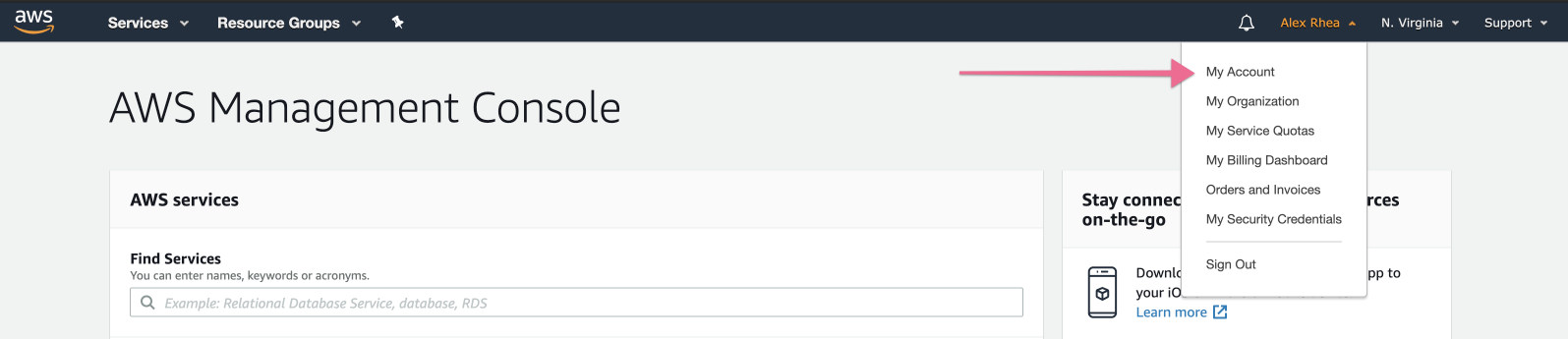
To do this, create or log into your AWS standard account and navigate to the “My Account” page at the top of the Console
At the bottom of the “My fAccount” page, there will be a GovCloud (US) section. If you do not see this section, ensure you logged in with the root credentials otherwise, create a support ticket. Click “Sign up for AWS GovCloud (US).”
This will navigate you to the AWS GovCloud (US) Sign Up Portal where it will ask you to accept the AWS GovCloud (US) legal agreement and provide additional information, so we can verify your eligibility for an AWS GovCloud (US) account.
Accessing the My Account Page and GovCloud Signup
Option 3 – Create an AWS GovCloud (US) with AWS Organizations.
AWS Organizations allows your organization to create and manage a set of accounts across regions and partitions.
Since AWS GovCloud (US) accounts are associated with standard AWS accounts for billing, service, and support purposes, customers are required to have an existing standard account before signing up for an AWS GovCloud (US) account. It is recommended to create a new AWS account that will only be used solely for AWS GovCloud sign up and billing to ensure your standard AWS workloads will not be affected when transferring or closing GovCloud accounts.
Onboarding
There are a few steps required to onboard your AWS GovCloud account, which are outlined here:
Sign in to your account.
Create an alias for your account.
Create and download access keys.
Verify AWS CloudTrail is Enabled.
Configuration
At this step, we recommend configuring a few console items to secure your account before allocating any AWS services or migrating data to the cloud:
Configure the AWS CLI
Create an IAM User to Access the Console
Configure Audit Logging
Enable Multi-Factor Authentication (MFA) for IAM users
Sign Up for AWS GovCloud (US) Customer Support
Allocation
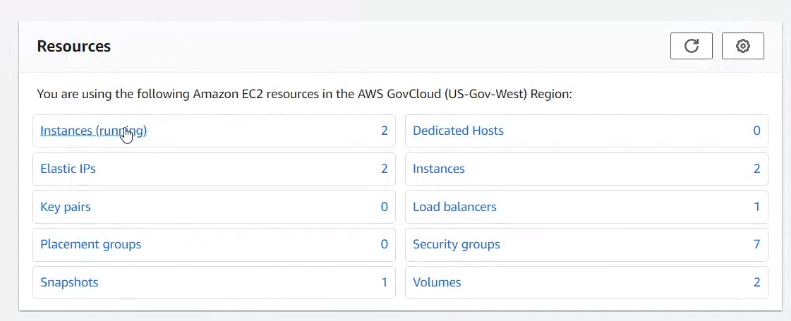
Last but not least, you will need to procure the AWS services that your organization needs for the cloud. Below is an example of what a final implementation may look like for a moderately-sized application on AWS GovCloud (US):
The EC2 instances allocated for this application are deployed on T3 and T2 instance types for the general purpose, long-running, burstable workloads of the application:
What does success look like?
HR and compliance company Mineral needed to get their primary revenue generating application to the cloud fast. The business was about to scale dramatically and something needed to be done to set the stage for the uptime, expansion, and partnerships coming quickly. Oxalis was engaged to assess, architect, and migrate Mineral’s monolith code base to AWS services and resilient cloud architecture so that the business could proceed with revenue generating partnerships.
Previous efforts had failed and something needed to be done.
Do you think AWS GovCloud is the right move for your business, or do you want to learn more? Enter your information below to contact one of our experts to start the conversation today, or learn more about our Amazon Govcloud services.
Need more Info? Check out our AWS GovCloud Services User Guide
Here is what our AWS GovCloud user guide includes:
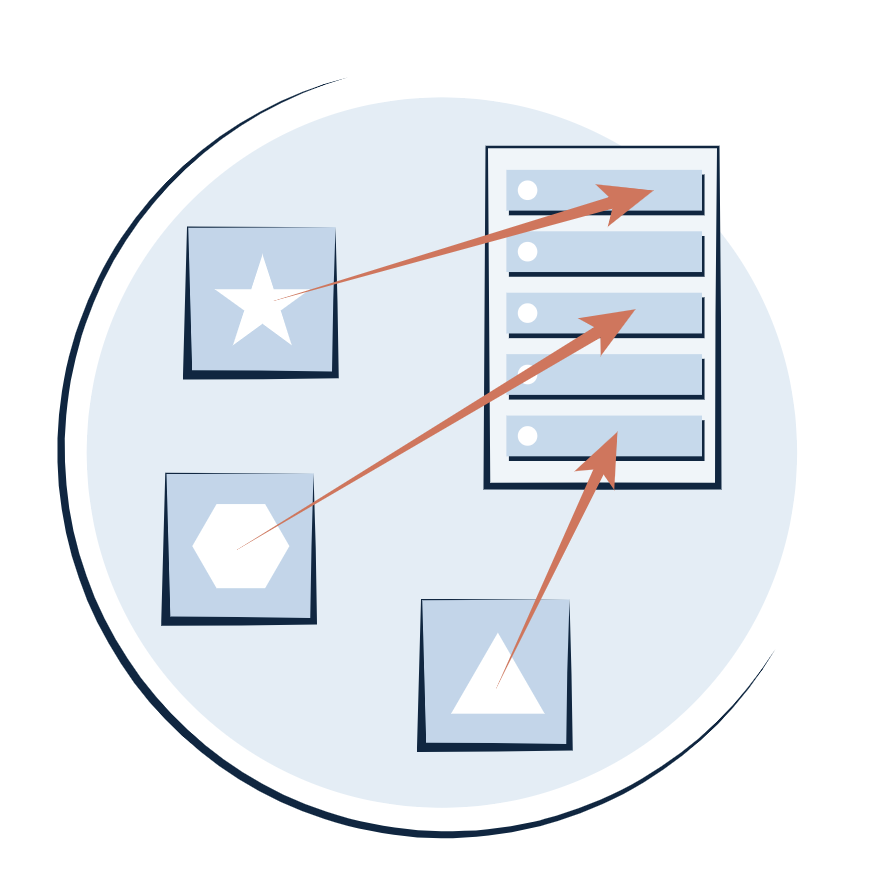
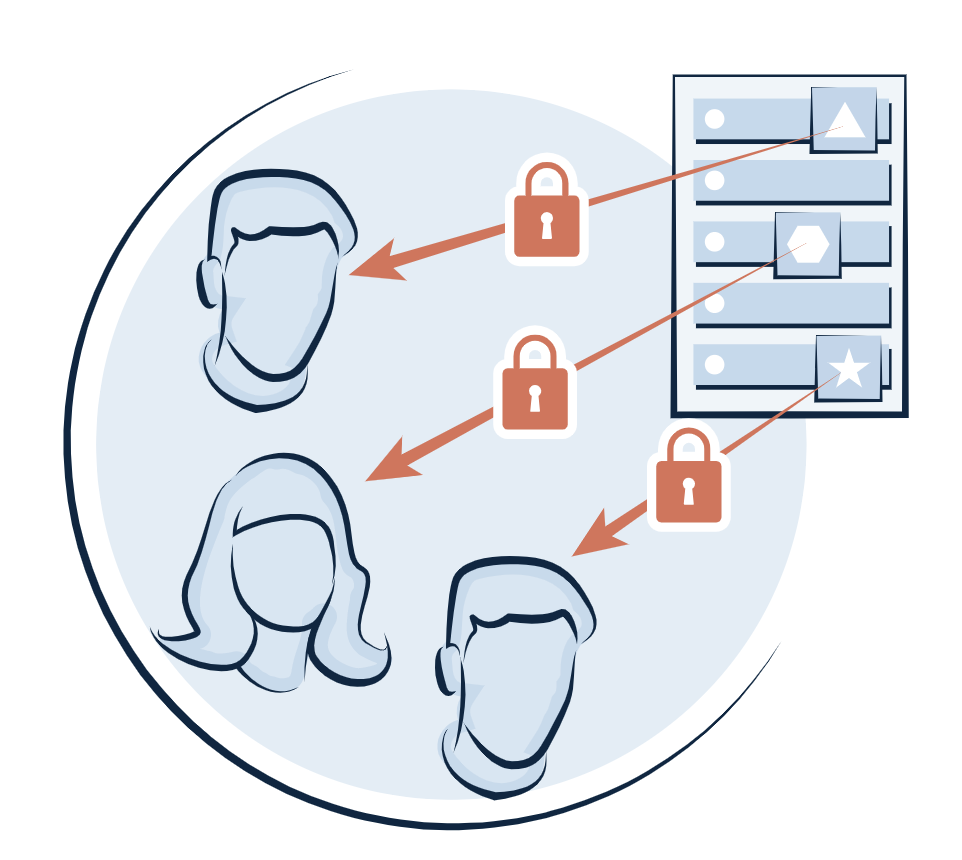
Overview of AWS GovCloud Services with related ITAR boundaries.
Instructions on signing up for and setting up AWS GovCloud.
Differences between standard AWS regions vs. GovCloud.
How you work today is not going to be how you work tomorrow. We all know there will be many challenges ahead for businesses in 2023 and beyond. More people are working from home and teams are distributed across the globe. How can you keep these distributed teams connected and operating at maximum efficiency?
Are you able to rest easy knowing your data is secure? Technology is confusing. We get it. And now more than ever, technology needs to seamlessly and effectively work for your business without disrupting your day-to-day and slowing you down. How can you be assured your tools and your systems will continue to deliver results that work?
Let’s dive into our team’s Top 5 projected business trends your business can expect in 2023 and discover these trends, challenges and potential opportunities.
5 Biggest Business Technology Trends in 2023
1. Keeping distributed teams connected. Optimization.
1. Keeping distributed teams connected. Optimization.
Nowadays, keeping distributed teams connected demands new ways to collaborate.
Being on top of your information management is essential for any company of every size. Your business needs scalable, accessible, and powerful systems. When you implement technology systems and tools effectively and optimizing them, you’ll be able to automate tasks, improve and streamline processes and increase efficient communication.
Reliable IT systems are vital for businesses to stay competitive. You keep your edge by improving data-driven decision making and maintaining the value integrity of AI systems. At Oxalis, we’re dedicated to helping you lead more efficiently and effectively so your company can reach new heights. With our expertise, you’ll be able to overcome staffing gaps and stagnation and keep moving forward toward success.
2. Data security
Okay, this is nothing new. But with the rapid pace of change in the workforce these past few years, it’s no surprise this one made the list.
The rapid change of technology advancements in the workplace has indeed spearheaded change, produced pros and cons, and challenged the norm; this in turn has negatively accelerated threats to personal data. Protecting data for your business and those you serve is no longer an option or a secondary thought for businesses, but an integral part of the day-to-day operations affecting upcoming transactions and the future stake of your company.
In case you’re still considering if technology consulting is a good fit for your teams, consider these statistics:
84% of business say that cybersecurity and resilience is a top priority for 2022
“The growing need for near real-time insights, compliance with data residency and privacy regulations, uninterrupted and reliable operations, and security of centralized environments, combined with an appetite to move away from massive infrastructure investments, drives tremendous demand for edge to bring compute and storage much closer to where the action is…”
Bhargs Srivathsan, partner, McKinsey
3. Accelerated digital technology transformation
Industries are exposed to changes resulting from technological innovation and the diffusion of new technology-enabled business practices. Scaling agile is a complex, multidimensional topic. It involves changing people’s (skills and mindset), practices (rituals and habits), and their tools. Most organizations struggle to scale agile due to a multitude of factors, but the most common one we see is general confusion of how to utilize the tools and methods to best fit their current business model and scale with them into the future.
If you’re looking to plan, deliver, and track progress across your teams at scale, utilizing agile methodologies can be a good starting point.
To maintain a high level of innovation, organizations must deliver customer solutions faster and more reliably – a properly scaled agile methodology makes this possible.
While we all know the disruption to supply chains is here to stay in 2023 and beyond. So how can your business stay ahead of the curve and utilize the supply woes to your advantage?
The phrase “risk resilience” is one that we’ve seen across multiple industries. What is risk resiliency? In business terms it means having the infrastructure in place to manage, track measurable data, and plan for risks, not just adapting to them.
According to a Forbes article by Richard Howells, “2023 Supply Chain Predictions: Resiliency, Sustainability And Visibility Set New Expectations”:
“Building a resilient supply chain is an ongoing process, and we expect organizations to create long-term supply chain resiliency to counter the increasing complexity and hyper-connectedness of today’s global business environment,”…
We know that technology impacts all areas of every business, according to McKinsey & Company, and in the process of digital transformation, there are five areas of risk for new technology implementation:
Business: Taking primary responsibility for soundness and application of data ethics and maintaining a data-driven culture
Society: Safeguarding societal values from business actions and maintaining internal awareness about the societal duty of the organization
Operational risk: Establish robustness of processes and control and mitigate operational risk
Compliance: Ensure compliance with a data-driven culture, regulations, and internal policies
Legal: Proactively advise business lines and the rest of the organization with legal matters
According to Gartner’s there are 10 technology trends for 2023.
Technology is confusing. We get it. And now more than ever, technology needs to seamlessly and effectively work for your business without disrupting your day-to-day and slowing you down.
Do these situations sound familiar to you?
Your team’s technology planning takes up too much of your time, hindering work productivity.
There are pitfalls in your the overall digitalization strategy
Your team is looking to work in a complete agile environment
You’re looking to improve your workflows and adopt efficiency for your teams
Our team is passionate about providing cost-effective, force-multiplying solutions for the Maritime, Government, Healthcare, Aerospace, and Manufacturing industries.
We solve our clients’ problems (every – single – time)
And we are proud to work alongside you to get the job done right the first time.
Our products adapt to your industry’s needs today and into the future.
While all problems need solutions, they also need a guide who has your back and a foolproof plan to get you to where you want to go.
Implement technology with confidence without disrupting your day-to-day business. See which cutting-edge, battle-tested, AI-driven tools work best for you.
Streamline your workflow, build a competitive advantage, and scale your enterprise with your trusted technology solution consultants. We are your technology consultative experts you can trust to get the job done right the first time.
Oxalis has a strong perspective after decades of experience in knowledge management. As organizations grow, autonomous teams and users develop their own approach to performing Enterprise Knowledge Management and Data Quality. In many legacy systems, the knowledge that the organization is recording becomes unmanageable, out-of-date and unusable. More so, the pileup of documentation becomes nearly impossible to sift through, forcing users to waste precious time trying to find answers to their questions. If even 10 employees spend ~1 hour a month trying to find an important piece of documentation, your organization is wasting over 100 hours a year on a single reference. Now think about 100s of users trying to find 100s of pages – that is a major loss in productivity.
Without taking a thorough, robust, and scalable approach to enterprise knowledge management, organizations get left with piles of disjointed and unusable documentation. Once leadership realizes that this is a problem that needs to be fixed, a major effort is required to review and reorganize that information. A process and tool must also be implemented to keep that information updated and discoverable, or the cycle will repeat, at increasingly larger scales. Get support.
Enterprise Knowledge Management and Data Quality & How Can it Help
Knowledge management at the enterprise level strives to make information accessible and reusable to stakeholders across the organization. To meet this goal, organizations must define and implement processes and tools that enable the classification, categorization, and grooming of information, coupled with methods to expose the right information to the right users at the right time. Data Quality can be enforced via the use of sustainable templates and tools deployed at Enterprise scale, driving standardization and quality in developed intellectual property.
Knowledge Management Methods
When discussing knowledge management related to enterprise organizations, it is important to understand the different models or methods for managing information that available knowledge management applications use.
Pull
The old, legacy way of approaching knowledge management can be described as having a “pull” mentality. In this model, users must rely on very robust search capabilities to sort through a very large library of information. Generally, this method is adopted by intranets and other database focused tools.
Push
The new, modern way of approaching knowledge management can be described as having a “push” mentality, where integrated knowledge base tools expose information to users based on the context of the work they are currently performing. In this model, search is still available to find specific information in the knowledge base, but tags, labels and categories are heavily used, coupled with machine learning to prompt users to reference information when they might need it.
Confluence, integrated with other tools in the Atlassian suite, embraces and is a leader in the new approach to getting information to users, and their methods will be explained below.
Approaches to Accomplish Enterprise Knowledge Management and Data Quality
Process is key
To have an effective knowledge management system, organizations should focus on accomplishing three key aspects:
knowledge capture
knowledge access
knowledge management
These processes should be accompanied by a straightforward process that the organization embeds into the way that their users work: capture, review, publish and groom.
1. Knowledge capture
Knowledge capture is the process of converting knowledge that an employee possesses in their mind into a format that is available to other users in the organization (this is often referred to as tacit versus explicit knowledge). Knowledge capture is arguably the most important aspect of the knowledge management process. If you don’t have a consistent and reliable way to capture your employee’s knowledge, you’ll lose it! You invest in your employees to learn and gain competencies throughout their time working for your organization, so when an employee decides to leave the company, your investment and potential resources for future employees will walk out the door with them. The information that your employees possess is invaluable intellectual property for your organization, so help make the process of capturing that information easy for your employees!
As an industry leading knowledge management tool, Confluence offers a library of industry standard and best practice templates, which make writing documentation simple, easy and less confusing. Often times, the hardest part about writing effective documentation is knowing where to start, and how to structure the documentation you need to put together. Instead of users wasting their time formatting pages and tables, creating siloed, discreet templates, Confluence templates make it easy for people to do the right thing, and capture their knowledge in a structured, readable and reproducible way. This knowledge management and data quality approach allows for strong capture at time of inception. Talk to an expert.
Now you might be thinking, “my employees don’t have time to sit and type out detailed documentation about every single thing they know or do each day”.
That should not be your organization’s goal! Trying to capture every piece of knowledge floating around in every employee’s head is a waste of time and will likely lead to cognitive overload for everyone involved in the content management process. Instead, organizations should prompt their users to capture the information that is 1) critical to performing their job role effectively and 2) key to your organization’s growth and future success, but only if that information has not already been documented by someone else in the organization.
“But how are my employees supposed to know whether what they’re working on has already been documented by someone else or not? Surely they don’t have the time to go and search through our entire knowledge base while completing a task.”
Right again! This is why users should be prompted to reference (and create, if necessary) documentation as a part of your business systems. With tools like Jira Software and Jira Service Management, articles can be suggested to users based on what they are currently working on (more on that later) and users can be prompted (via Confluence) to quickly create effective, templated documentation in cases where no relevant documentation already exists. In this way, information is being captured precisely at the time it was needed, generating new intellectual property for your organization when it is relevant.
“So, you’re talking about capturing knowledge at an individual level, how does this scale across my entire organization?”
Enterprise knowledge capture (and knowledge management in general) means that Teams and Departments across the entire business are working cohesively, in a similar way. When users across the organization are being prompted to capture their knowledge at the right time, you start to build up an effective knowledge management process and system.
2. Knowledge access
Once an organization has established sound practices for capturing its employee’s knowledge, the next step in enterprise knowledge management is to focus on making sure that the right people have access to that knowledge (and at the right time). When using a modern knowledge base like Confluence, ensuring that the right people have access to the right documentation is handled using flexible and scalable permission schemes. The ability to view, edit or administrate can be granted to groups and roles, allowing your permissions to scale and be dynamic. It is also important to enforce a review and categorization cycle on organization-wide documentation before it is published to the entire enterprise. With modern knowledge management applications, a review process can be enforced, from draft to approval to being released to the organization.
Along with access to knowledge, organizations should enable and encourage their employees to collaborate around the knowledge that is being and has been documented. According to a 2020 study by Forrester, high performing teams are 20% more likely to encourage open knowledge sharing and collaboration compared to low performing teams. With a modern knowledge base application like Confluence, users can collaborate in real-time on articles together, by adding in-line comments, liking, favoriting, sharing and mentioning other users on documentation.
“But how do my users find the documentation that they have access to?”
All leading modern knowledge base applications are equipped with a robust search capability, but searching for articles will always be a manual and tedious process. To help make the manual search for documentation and the automated promotion of articles to users more effective, intentional and thorough categorization is key.
By enabling (and often times enforcing) documentation publishers to add tags, labels and categories to documentation during the review cycle, modern knowledge management systems can use machine learning to prompt users to access relevant documentation as a part of their workflow. For example, Atlassian offers a robust integration between Jira Service Management and Confluence, which enables organizations to:
Expose, categorize and promote knowledge base articles to external stakeholders (customers or internal users) through a customizable portal.
Enable service agents to access and review the same documentation that is being prompted to external stakeholders, and access a separate, internal knowledge base.
Enable service agents to generate new, templated documentation directly from requests for which no useful documentation already existed.
According to a study conducted by Forrester in 2019, organizations that implemented Jira Service Management alongside Confluence saw a 20% ticket deflection rate, and one organization reported a 230% increase in traffic to their HR team’s documentation space.
3. Knowledge management
So, you’re prompting your employees to capture their knowledge when it is relevant to them and you’re exposing that knowledge back to them when it is needed. Now you need to instill a consistent practice of managing that knowledge to keep it updated, relevant and manageable.
One of the more traditional ways to approach this part of the knowledge management process is by creating a hierarchical structure to store and organize documentation. While this file-folder / intranet mindset may have started with legacy knowledge base tools, it is still relevant and appropriate for modern knowledge management tools. Regardless of how powerful and tailored your knowledge management tool’s search capability is, your space / site owners should enforce a consistent hierarchy across the entire system, to help make information easier to find when manual searching is necessary. At Oxalis, we recommend creating a Confluence Space for each level and area of the organization, to ensure that every piece of information has a place to call home. Each Project, Team and Department should have a Space that they take ownership of, with a Space at the Corporate level as well. Enforcing a consistent architecture of information at every level of the organization will help your knowledge management practices and tools scale across your enterprise.
To keep your knowledge manageable and managed, Oxalis recommends assigning ownership at the space/site and individual page/article level. By spreading the responsibility for your content across the team, users can hold each other accountable, and also lessen the burden of reviewing information, making it more likely to be performed on a regular cadence. When using a tool like Confluence, reminders can automatically be sent to content owners to help keep information fresh. Contact us.
Additionally, Confluence offers Space and Page analytics to help content owners understand how often specific information is being viewed, at a micro or macro level, which can help inform decisions around what content needs to be promoted or archived. During the knowledge capture or review process, a content owner may discover or decide that a specific article is no longer relevant, and choose to archive the information. This ensures that your organization’s intellectual property is not lost, and also that outdated content is not being suggested to your users. This process of proactive content review and grooming is a crucial part in the knowledge management process for enterprises to keep their knowledge relevant and useful.
Finally, most enterprise organizations must adhere to specific compliance standards. For more information about how Atlassian approaches security, reliability, privacy, and compliance for their products and services, visit Atlassian Trust.
Conclusion
Enterprise knowledge management means that your employees, across all teams, departments and units are capturing, managing and accessing your organization’s information in a consistent way. When you expose the right information, to the right people, in the right place, at the right time, you ensure that your employees can work quickly and effectively, maintaining and utilizing your most important information.
Growing and enterprise organizations must work to implement a process and tool for capturing and managing the knowledge that their employees have, or risk wasting employee’s time and energy searching through stale content or worse, lacking the ability to leverage their own knowledge across the organization.
Our Approach to Enterprise Knowledge Management and Data Quality
When Oxalis approaches a discovery and implementation effort for Confluence and other tools across the Atlassian suite, we prefer to take a cohort-style approach to the roll-out of new processes and tools to get organizations to an enterprise, sustainable path. Oxalis offer a full suite of services to get you a professional implementation of a critical business process.
Knowledge management with data quality is difficult at scale and in an enterprise setting, however, it is essential that you business get this right. Your IP is your business and you need to make it available, high quality, and harness its power. Oxalis is an expert in doing this work in an enterprise setting.
Used by Google Analytics 4 to persist session state and track usage across visits. The XXXXXXXXXX portion corresponds to the Oxalis Google Analytics property ID.
1 year
_gac_
Contains information related to marketing campaigns of the user. These are shared with Google AdWords / Google Ads when the Google Ads and Google Analytics accounts are linked together.
90 days
__utma
ID used to identify users and sessions
2 years after last activity
__utmt
Used to monitor number of Google Analytics server requests
10 minutes
__utmb
Used to distinguish new sessions and visits. This cookie is set when the GA.js javascript library is loaded and there is no existing __utmb cookie. The cookie is updated every time data is sent to the Google Analytics server.
30 minutes after last activity
__utmc
Used only with old Urchin versions of Google Analytics and not with GA.js. Was used to distinguish between new sessions and visits at the end of a session.
End of session (browser)
__utmz
Contains information about the traffic source or campaign that directed user to the website. The cookie is set when the GA.js javascript is loaded and updated when data is sent to the Google Anaytics server
6 months after last activity
__utmv
Contains custom information set by the web developer via the _setCustomVar method in Google Analytics. This cookie is updated every time new data is sent to the Google Analytics server.
2 years after last activity
__utmx
Used to determine whether a user is included in an A / B or Multivariate test.
18 months
_ga
ID used to identify users
2 years
_gali
Used by Google Analytics to determine which links on a page are being clicked
30 seconds
_ga_
ID used to identify users
2 years
_gid
ID used to identify users for 24 hours after last activity
24 hours
_gat
Used to monitor number of Google Analytics server requests when using Google Tag Manager
1 minute
Marketing cookies are used to follow visitors to websites. The intention is to show ads that are relevant and engaging to the individual user.