THE NEXT 10
Emy Daly Signed On for Ten Hours a Week. Ten Years Later, She’s De Facto Employee One.
Part of The Next 10. Ten years of building what didn’t exist.
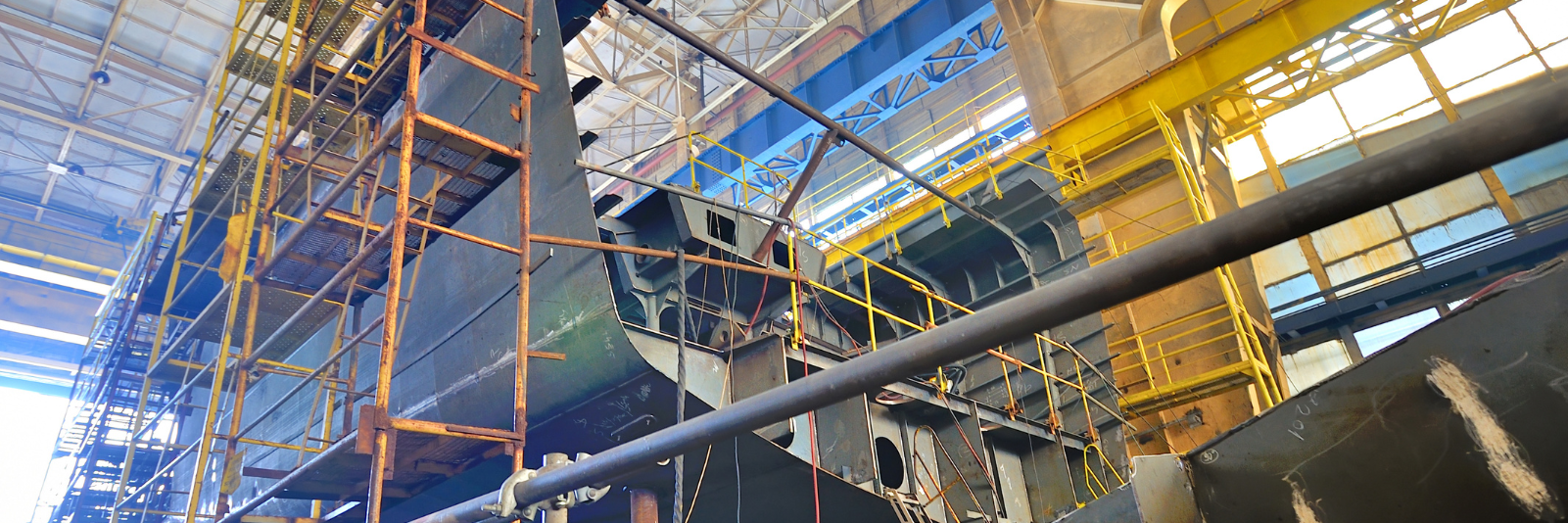
In early 2016, before Oxalis officially existed, Jon Malanche called Emy Daly about a project at a Pacific Northwest shipyard. Having just had a baby, she turned him down.
“Two months later, he called me again,” she says. “Asking can you do it now?”
The project had security requirements that limited who could touch the servers, and Emy, with a telecom background and years of server administration behind her, was one of the few people Jon knew who could.
She started with 10 hours a week installing servers, upgrading software, and whatever needed doing in between, a handful of hours at a time.
The form nobody would build
The shipyard had spent a long time trying to get someone to build a system for its condition found reports, the CFRs a repair yard generates when workers open up a vessel and find work beyond the original scope. Every vendor who looked at the problem treated it as a ground-up software build, so every quote came back with big numbers and long timelines no one had.
Oxalis had a different read.
“Jon looked at it all and saw a service management problem,” Emy says. “Because all it really was, is a workflow and forms. Information on a form, going through various approvals and statuses.”
The team surveyed the service management tools already on the market. Most carried a cloud component the yard’s security requirements ruled out, so they landed on Jira, which could run entirely on the yard’s own servers.
“Two months later, we had a working project for them,” Emy adds. “For this thing that other people were saying was going to take forever and cost all this money.”
That build became OSRS, the ship repair system Oxalis still runs for shipyard customers today. Emy built it from day one and still maintains it.
Training day at the yard
The people using this system were not your hands-on-keyboard office workers.
“These are craftsmen who work with their hands. They weren’t logging into websites to do their work,” Emy recalls.
The first on-site training put her and Jon in front of roughly 30 welders and painters, and the session had to meet the users where they were.
“We literally had to start from, here’s how you log in. Here’s how you get to a webpage.”
Ten years later, that is still how she describes the firm’s support ethos.
“They come to us with a problem… and we’re about solving. Let’s fix whatever it is and make it easier. We’ve never been the, oh, this is too hard type. It’s never that.”
Trusted from both ends of the system
One of the first things OSRS automated was submitting repair records straight to the Navy’s maintenance database, work a team of administrators once did by retyping everything into a web interface by hand. The first successful streamlined submission is still a moment Emy lights up over.
“That was really cool.”
The long-term wins are a slower burn. The database operators sit outside the Oxalis customer list entirely, and over the years they began reaching out to Emy directly, asking her to help a shipyard on their end resolve a submission issue. When one of them left her role, she sent Emy an email saying the whole process had improved with Oxalis in the middle, because for the first time both sides had somebody invested and technical to call.
“It eases a lot of the frustrations in the process for everyone involved,” Emy says. “And it feels good when you can help and you’re trusted on both sides.”
Building for the next ten
Emy still runs the platform she started building in 2016. Though the bones are the same, she’s navigated evolving the process as both Jira and technologies have advanced.
“The Jira platform is my baby,” she adds.
And as Oxalis invests in the next ten years of its work in the yard, the team that made the first answer is shaping what comes next.
“We’re the experts now,” she says. “So we get to identify and build what’s missing.”
What keeps her in the maritime corner of the firm is what the work moves forward. For her, it’s the tangible result of a ship getting repaired and put back in service at the end of the day.
Ten years in, she describes the customers she supports the way most people describe coworkers.
“These are my releases. These are my people.”
The firm has grown to the point where there are colleagues she hasn’t met in person yet. She keeps track of them anyway, the one who hears somebody is moving to South Carolina and knows which Oxalis person already lives there. She has her own name for that role.
“I want to be the auntie of Oxalis.”
And she is. Join our next ten. → Careers at Oxalis