Atlassian Government Cloud Is Now GA—Here’s What It Means for Regulated Agencies and Their Industry Partners

At-a-Glance: Atlassian Government Cloud is now generally available, giving U.S. government agencies and regulated organizations secure access to the full power of Atlassian Cloud—including continuous innovation, modern service management, advanced analytics, and stronger governance—within a FedRAMP Moderate–authorized environment. This launch makes it possible for government teams to modernize workflows, streamline collaboration, and retire legacy complexity while maintaining compliance and U.S. data residency. For Oxalis customers, AGC represents a major opportunity to elevate mission delivery through a more connected, secure, and future-ready Atlassian ecosystem.

Atlassian Government Cloud (AGC) is now generally available, bringing government agencies and their industry partners a secure, FedRAMP Moderate–authorized cloud environment explicitly built for the way public sector teams work. But the real story isn’t simply that AGC exists: it’s that agencies can finally access the advanced capabilities, innovation velocity, and modern user experiences that Atlassian Cloud has been delivering to commercial organizations for years.

For Oxalis customers, this is a pivotal moment. Atlassian Government Cloud opens the door to faster collaboration, better service management, richer analytics, stronger security, and a long-term foundation that evolves with mission needs. It’s an opportunity to modernize, simplify, and elevate how work gets done, not just replace an aging deployment model.

A New Era for Government Teams: Modern Capabilities Without Compromise

Historically, agencies had to forgo Atlassian Cloud’s modern features because they were forced to remain on Data Center to meet security and residency requirements. AGC eliminates that.

With Atlassian Government Cloud, agencies can now:

Tap into continuous innovation, no upgrades required

Instead of infrequent, high-effort upgrades, teams receive improvements automatically. New features, security enhancements, analytics updates, and workflow optimizations appear as they’re ready—without downtime or maintenance cycles.

Unlock the power of Atlassian Analytics

For the first time, government organizations can use Atlassian’s built-in analytics engine to visualize performance across Jira, Confluence, and Jira Service Management. Cross-team insights that once required complex integrations or manual reporting are now accessible in minutes.

Improve service delivery with modern Service Management capabilities

Advanced approvals, Assets (CMDB), intelligent routing, forms, reports, and a growing roadmap of incident and problem management features give teams the tools they need to deliver faster, more transparent services.

Benefit from evolving platform-wide enhancements

From standardized governance controls to simplified identity management, AGC helps agencies enforce consistency and security across teams without relying on brittle customizations or outdated plugins.

Build on a cloud architecture designed for government compliance

With U.S.-only data residency, FedRAMP Moderate authorization, elevated security baselines, and Guard Standard included, AGC gives agencies the confidence to operate securely, without sacrificing functionality.

This is the moment government teams can finally modernize with confidence.on.

Explore what Atlassian Government Cloud can unlock for your agency.
See how modern workflows, analytics, and service capabilities transform mission delivery.

A Platform That Will Keep Advancing, With a Clear Roadmap Ahead

While AGC launches with Jira, Confluence, JSM, and Atlassian Analytics, its roadmap is already well defined. Agencies can expect:

  • Sandboxes (2025)
  • Backup & restore (2026)
  • Guard Premium data classification (2026)
  • Expanding integrations and app options
  • New incident, problem, and change management capabilities
  • Progress toward feature parity with commercial cloud

Government Cloud is not static; it’s evolving, accelerating, and growing alongside agency needs.

This Isn’t About Migration; It’s About Modernization

While Data Center’s 2029 end-of-life is part of the larger context, it should not drive the strategy. The most forward-thinking agencies aren’t moving because they must. They’re moving because Government Cloud enables them to work smarter, faster, and more securely.

Atlassian Government Cloud gives agencies:

  • A modern, intuitive experience for users
  • A reduction in technical debt and plugin sprawl
  • Clearer governance and standardization
  • Better service delivery for internal and external stakeholders
  • A more defensible security posture
  • A foundation that is actively improving

This is a shift toward capability, not away from constraint.

Find out which Cloud capabilities your teams can leverage today.
We’ll help you identify high-value improvements and quick modernization wins.

A Moment to Rethink Your Atlassian Strategy, Not Just Your Deployment Model

This is more than a hosting decision. It’s a once-in-a-decade opportunity to redesign how teams work.

At Oxalis, we’ve spent years helping government and regulated organizations modernize Atlassian environments—moving away from siloed, heavily customized Data Center deployments and toward streamlined, standardized, secure cloud operations.

AGC’s general availability gives agencies a chance to:

1. Reduce complexity and legacy technical debt

Most Data Center instances have accumulated years of patching, plugins, and customizations. Migration forces clarity—what’s essential, what’s redundant, and what can be simplified.

2. Strengthen security postures through modern controls

Features like organization audit logs, API token controls, change risk assessment, and Guard features provide a more defensible security architecture than legacy on-prem systems.

3. Improve resilience and continuity

U.S. residency, built-in compliance, continuous updates, and consolidated administration remove many of the operational risks inherent in self-managed systems.

4. Modernize service management and collaboration workflows

New capabilities—like JSM approvals, Assets, post-incident reviews, Confluence analytics, dashboard templates, and more—give teams up-to-date functionality without long upgrade cycles or maintenance burdens.

5. Align with government modernization mandates

Cloud adoption is becoming non-optional across federal and SLED organizations. Atlassian Government Cloud creates a compliant path that meets those mandates and prepares agencies for a cloud-first environment.

Modernize with confidence in a FedRAMP-authorized environment.
Let’s review your architecture and map Cloud capabilities to your mission needs.

Where Oxalis Adds Value: Turning Cloud Potential Into Real Mission Outcomes

Choosing Atlassian Government Cloud is one decision. Making it successful is another.

Oxalis brings deep expertise in:

Strategic modernization planning

We assess your current environment, identify opportunities, and create a blueprint to streamline workflows, not just migrate them.

Application and integration rationalization

We help agencies move away from outdated customizations and rebuild more scalable, modern architecture in Cloud.

Identity and compliance alignment

From SSO and SCIM provisioning to FedRAMP-aligned security controls, we ensure your environment is configured the right way from day one.

Phased, low-risk migration programs

We deliver a structured approach that keeps teams productive and ensures continuity for mission-critical systems.

Post-migration optimization

Once you’re live, we help your teams adopt the new capabilities and get full value from your cloud investment.

Oxalis has guided some of the most complex, highly regulated Atlassian environments through modernization. Atlassian Government Cloud extends those possibilities even further, and we’re ready to help agencies take advantage of what’s now possible.

Reduce complexity and unlock modern features with a clear path to AGC.
Oxalis will guide you through smart rationalization, cleanup, and redesign.

The Bottom Line

AGC’s general availability marks the beginning of a new era for public sector collaboration, service management, and digital operations. Agencies finally have access to the capabilities that will define the future of Atlassian, delivered securely and compliantly, with a roadmap built for government.

Atlassian Government Cloud creates an opportunity to modernize, simplify, secure, and scale how work gets done.

Oxalis is here to help you make the most of it.

Modern work for government starts here.
Reach out to Oxalis for a strategic Cloud readiness assessment tailored to your environment.

Atlassian Team ’25 Europe: What the Next Era of AI-Powered Cloud Means for Regulated Industries

At-a-Glance: What the announcements from Atlassian Team ’25 Europe Mean for Regulated Industries

Atlassian Team ’25 Europe introduced a significant leap forward in secure, AI-powered cloud collaboration. From the expansion of Rovo—Atlassian’s enterprise AI layer—to new Software and Service Collections and government-grade cloud deployment models, Atlassian is redefining how regulated organizations modernize safely.

For public sector, defense, healthcare, and other compliance-driven industries, these updates mean faster cloud migration, deeper data governance, and AI capabilities built with control and transparency in mind. Oxalis helps customers navigate this evolution—architecting secure Atlassian environments, designing compliant AI workflows, and ensuring that innovation and regulation move forward together.

When Atlassian’s Team ’25 Europe opened in Barcelona this week, one message was loud and clear: AI is no longer an experiment. It’s the foundation of teamwork for the decade ahead.

From the expansion of Atlassian’s AI layer, Rovo, to the launch of new AI-native product Collections and secure cloud deployment models, this year’s announcements set the stage for organizations to modernize how they work, safely, intelligently, and at scale.

For customers in highly regulated industries, these innovations aren’t just exciting; they’re transformational. Atlassian is investing heavily in the features, governance, and compliance controls that regulated teams have been waiting for. And Oxalis is ready to help you turn these capabilities into measurable impact.

1. Cloud Isn’t Optional; Migration Is Inevitable

Atlassian officially unveiled Atlassian Ascend, a comprehensive migration program designed to make cloud transitions faster, safer, and more predictable. Ascend includes new migration tools, partner incentives, and “FastShift” automation to reduce friction and de-risk every stage of the move.

They also announced a series of enterprise-grade deployment models, including:

  • Government Cloud – FedRAMP-compliant offerings for U.S. public sector customers.
  • Isolated Cloud – Dedicated, single-tenant infrastructure for organizations with strict data separation needs (coming soon).
  • Units – Logical partitions within Cloud organizations to isolate data, permissions, and policies per business unit or domain.

Meanwhile, Atlassian confirmed the long-anticipated Data Center sunset over the next few years, signaling that now is the time to plan your move.

Why it matters

For regulated organizations, moving to the cloud has often meant balancing modernization against security, sovereignty, and compliance. With Atlassian’s expanded options, that balance is finally attainable. Teams can migrate confidently—choosing the right mix of performance, residency, and control—without sacrificing compliance posture.

How Oxalis helps

Oxalis has guided some of the most complex migrations in government, healthcare, and defense. We:

  • Architect secure cloud environments that meet regulatory frameworks like FedRAMP, CMMC, HIPAA, and DFARS.
  • Design data-segmented structures using Units to protect sensitive programs and isolate risk.
  • Pilot and validate Isolated Cloud and hybrid deployments to ensure security and compliance from day one.

2. Rovo Everywhere: AI That Knows, Connects, and Governs

Atlassian Rovo

Rovo—Atlassian’s AI backbone—took center stage at Team ’25. It’s now embedded across every Atlassian surface: search, chat, automation, and agent workflows.

What’s new in Rovo

  • Rovo Search will soon become the default in Jira, bringing unified results across Atlassian tools and connected apps.
  • Rovo Chat adds memory, real-time collaboration, and “Skills” — over 100 modular capabilities built by Atlassian, partners, and customers.
  • Rovo Studio enables teams to create secure, production-ready AI agents and Forge apps directly inside Atlassian, in plain English.
  • Enhanced Governance includes usage dashboards, granular permissions, audit logs, and Atlassian-hosted LLMs — ensuring data stays within controlled boundaries.

Why it matters

For regulated customers, AI adoption has been slowed by one question: “Can we trust it?”
Rovo answers that with transparency, control, and compliance built in. It’s AI designed for enterprise governance, not as a separate experiment, but as a core part of the system of work.

How Oxalis helps

We specialize in bringing AI to regulated environments responsibly. With Rovo, that means:

  • Defining clear AI usage and data indexing policies for compliance.
  • Building custom Rovo agents that automate audits, change approvals, and workflow traceability.
  • Integrating Rovo into secure enclaves, ensuring that sensitive information never crosses defined boundaries.
  • Providing continuous monitoring and adoption support to keep AI use aligned with policy.

3. Collections: AI-Native Suites for Every Domain

Atlassian Team '25 Europe

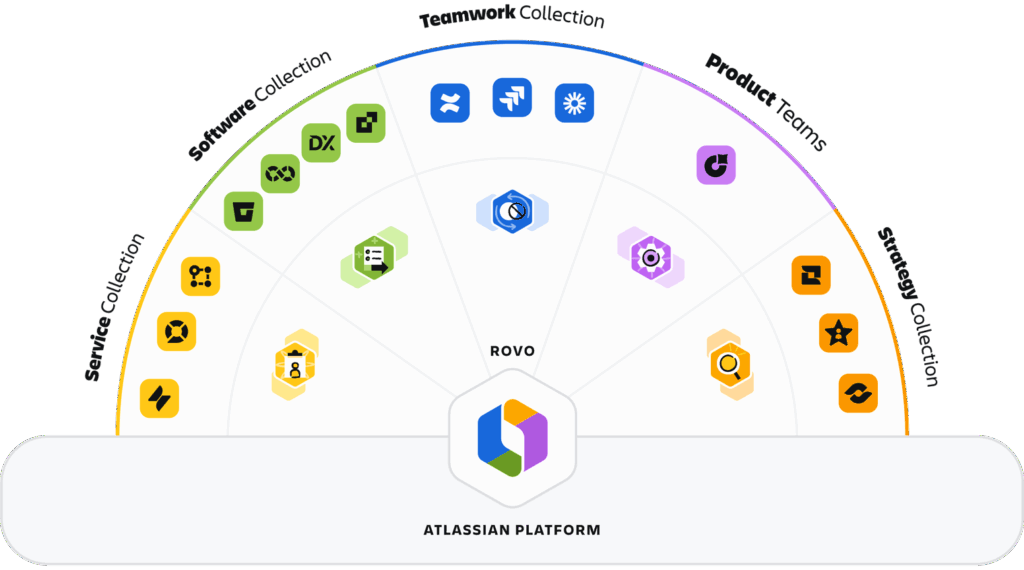
Atlassian expanded its “Collections” model—domain-focused bundles that unify apps, data, and AI—to now include:

  • Software Collection: Rovo Dev, DX, Bitbucket Pipelines, Bitbucket SCM, and Compass for the entire software development lifecycle.
  • Service Collection: Jira Service Management, Customer Service Management, Assets, and Rovo for unified service and operations.
  • Teamwork Collection: Jira, Confluence, Loom, Rovo, and Guard Standard for collaboration and communication.
  • Strategy Collection: Focus, Talent, and Align for enterprise planning and portfolio alignment.

Why it matters

For regulated teams, Collections close the gaps between domains. Software, service, strategy, and collaboration are no longer siloed — and that’s a major compliance win.
Unified data and governance across Collections mean traceability from incident to resolution, better auditability, and fewer blind spots across the enterprise.

How Oxalis helps

Oxalis helps organizations:

  • Implement cross-collection workflows that maintain visibility and control end-to-end.
  • Create AI agents that bridge domains (e.g., automatically linking a vulnerability report to a service ticket and audit trail).
  • Quantify value through compliance KPIs: fewer manual handoffs, faster incident resolution, and reduced audit prep time.

4. Enterprise-Grade Scale and Governance

Atlassian also announced new scale and compliance enhancements across its Cloud Platform:

  • Scale: Jira now supports 100K users; Confluence will support 250K, JSM 50K.
  • Multiple Sandboxes: Safer change management environments for configuration and testing.
  • Backup & Restore: Enhanced business continuity and audit-ready data control.
  • Expanded Data Residency: Coverage now includes Rovo, Analytics, and Focus.
  • Platformization: Assets, Projects, and Units become platform apps for consistent governance.
  • Teamwork Graph Externalization: APIs let customers build secure, compliant custom apps on Atlassian’s unified data layer.

Why it matters

Regulated industries need predictability and transparency. These updates strengthen the control surface: sandboxing, restore capability, and data locality — the trifecta of enterprise assurance. They also empower organizations to innovate safely, building their own secure integrations on top of Atlassian’s trusted data foundation.

How Oxalis helps

Oxalis partners with enterprise clients to:

  • Architect governance-first Atlassian environments using sandbox segmentation and automated rollback.
  • Map data residency requirements to architecture design.
  • Build custom analytics and oversight tools on the Teamwork Graph, surfacing compliance intelligence and operational insights in real time.

5. A Practical Roadmap for Regulated Teams

Here’s how organizations can act on the Team ’25 Europe momentum right now:

  1. Assess your current state and risk profile
    Identify workloads, data types, and compliance standards that will be affected by migration or AI adoption.
  2. Plan your migration proactively
    Leverage Ascend resources and Oxalis guidance to define sequencing, risk mitigation, and post-migration validation.
  3. Establish AI governance early
    Define what data can be indexed, who can deploy agents, and how activity will be logged and audited.
  4. Pilot Rovo and Collections strategically
    Start small — one department, one workflow — measure results, and expand from there.
  5. Monitor, refine, and report
    Use Atlassian’s new usage dashboards and Oxalis’s reporting frameworks to measure adoption, compliance, and ROI.

Why Oxalis Is Your Partner for What Comes Next

At Oxalis, we live at the intersection of compliance and collaboration. We’ve implemented Atlassian solutions for defense contractors, shipyards, healthcare systems, and state agencies—each with complex data governance and security requirements.

Now, as Atlassian redefines the system of work with AI and Cloud, we’re helping our customers take the next step — responsibly, confidently, and with measurable business value.

We combine:

  • Deep Atlassian expertise across Cloud, Service Management, and Enterprise Strategy & Planning.
  • Compliance fluency across CMMC, HIPAA, DFARS, FedRAMP, and more.
  • Proven frameworks for migration, AI governance, and secure collaboration.
  • Practical experience implementing real-world solutions for teams that cannot afford risk.

Our goal is simple: help regulated organizations modernize securely and unlock the same AI-driven productivity as their commercial counterparts, without compromise.

Final Thoughts

Team ’25 Europe wasn’t just another product launch. It was a signal of where teamwork—and compliance-ready innovation—is heading.

AI is no longer a bolt-on feature. Cloud is no longer optional. Governance is no longer a constraint; it’s a differentiator.

Atlassian is building for that reality, and Oxalis is here to help you get there — safely, intelligently, and ahead of the curve.

Interested in understanding how Team ’25 updates affect your organization?
Schedule a strategy session with Oxalis to assess your migration roadmap, AI readiness, and compliance posture.

Your Guide to Atlassian’s Data Center End of Life: Stable Today, Stronger Tomorrow

At-a-Glance: Data Center End of Life

Atlassian has announced the Data Center End of Life for March 28, 2029, marking a major shift toward cloud-first, AI-enabled teamwork. For organizations in highly regulated industries, this transition underscores the need for secure, compliant, and strategic planning.

Oxalis is already ahead of the curve—helping customers design migration roadmaps, re-platform critical systems, and adopt future-ready solutions like Atlassian Government Cloud, Isolated Cloud, and Enterprise Cloud. Our mission remains clear: to keep your operations secure, compliant, and mission-ready as the Atlassian ecosystem evolves.

Yesterday, Atlassian announced that their Data Center products will reach end of life on March 28, 2029. While any change of this scale can feel significant, I want to take a moment to share what this means for our customers, and how Oxalis is already preparing to make sure your teams remain secure, compliant, and mission-ready.

What This Change Means

Atlassian’s decision reflects a broader industry trend: the move to cloud as the most scalable, secure, and future-proof environment for enterprise technology. Atlassian has invested heavily in its Cloud platform to meet the needs of complex, highly regulated organizations. This includes advanced compliance certifications, improved performance, and deployment options designed specifically for the public sector, defense contractors, and other regulated industries.

For customers currently running Atlassian Data Center, nothing changes today. Your systems remain stable and supported, and you have ample time to plan for what’s next.

Ready to start planning? Contact Oxalis to discuss your organization’s roadmap and ensure your migration strategy aligns with Atlassian’s evolving Cloud capabilities.

How Oxalis Is Responding

At Oxalis, we anticipated this shift. Over the past year, we have been building roadmaps, re-platforming strategies, and alternative solutions to ensure our customers are fully supported well before Data Center reaches end of life.

Here’s what you can expect from us:

  • No disruption today. Your current systems will continue to operate securely and reliably.
  • A clear migration path. We’ll provide step-by-step guidance, tailored planning, and training to make any transition seamless.
  • Future-ready platforms. We’re actively re-platforming solutions like the Oxalis Ship Repair System (OSRS) and building continuity plans for every customer environment.

Not sure where to begin? Schedule a complimentary migration readiness assessment with our team to understand your best options.

Cloud Options for Regulated Industries

For many organizations, the natural next step will be Atlassian Cloud. The good news is that Atlassian has developed options designed with your compliance and security requirements in mind:

Each of these platforms is designed to deliver the flexibility, scalability, and compliance our customers expect—while unlocking new capabilities around AI, automation, and integration.

Explore your Cloud options with Oxalis. Our experts can help you evaluate which deployment model best supports your mission, compliance, and performance goals.

Key Takeaways

Don’t wait to start your transition plan. The sooner your roadmap is in place, the more seamless and cost-effective your migration will be. Talk to our Atlassian experts today.

Our Commitment to You

Change is never without challenges, but this is not cause for alarm. Atlassian’s three-plus-year transition window provides ample time to plan, and Oxalis is already out in front. We will continue to deliver secure, compliant, and future-ready solutions while ensuring that every customer we serve has a smooth and successful path forward.

We’ll be providing regular updates, resources, and opportunities to engage with our team as Atlassian’s timelines evolve. In the meantime, if you have specific questions or would like to discuss what this means for your organization, please don’t hesitate to reach out.

At Oxalis, our mission is to help complex, highly regulated organizations succeed with technology that works. This announcement doesn’t change that—it only strengthens our resolve.

Let’s plan your path forward. Contact Oxalis to ensure your systems remain secure, compliant, and mission-ready—long after Data Center’s end of life.

How to Modernize ITSM for SLED Agencies—and Why Jira Service Management Is the Solution

EXECUTIVE SUMMARY: State, local, and education (SLED) agencies are under pressure to deliver faster, more reliable services while meeting strict compliance and security requirements. Legacy ITSM platforms can’t keep pace, draining budgets, slowing response times, and creating unnecessary risk. Today, the need to modernize ITSM for SLED agencies has never been more urgent. Atlassian’s Jira Service Management (JSM) offers a modern, secure, and cost-effective alternative that empowers agencies to streamline workflows, improve collaboration, and future-proof IT operations. This blog explores why migrating to JSM is more than an upgrade—it’s a strategic move toward better service delivery, operational resilience, and long-term value.

A Higher Bar for Public Sector Service

Across the public sector, the expectations for service speed, security, and quality have never been higher. State, local, and education (SLED) agencies are under pressure to match the seamless, efficient experiences of the private sector while operating within tight constraints. Yet many remain tethered to legacy IT service management systems; tools that once served well but now lack the security, flexibility, and integration power required to modernize ITSM for SLED agencies aiming for high-performing service delivery.

The Cost of Standing Still in ITSM Modernization

Legacy ITSM solutions aren’t just outdated technology—they’re a drag on mission performance. Agencies still relying on them face:

  • Cybersecurity vulnerabilities that put sensitive public sector data at risk
  • High operational costs that strain already limited budgets
  • Integration challenges that create silos and slow service delivery
  • Poor user experiences that frustrate employees and hinder adoption
  • Limited scalability that makes it difficult to meet growing or changing demands

The result? Slower response times, diminished public trust, and missed opportunities to innovate.

Why Jira Service Management Works for SLED Agencies

Atlassian’s Jira Service Management is purpose-built to help SLED agencies modernize with minimal disruption and maximum value. To effectively modernize ITSM for SLED agencies, as a secure, cloud-based ITSM platform, JSM enables:

  • Streamlined service delivery through intuitive portals for staff, students, and citizens
  • Cross-team collaboration that breaks down silos between IT, operations, and service units
  • Configurable workflows that adapt to agency processes rather than forcing rigid templates
  • Compliance-ready architecture that meets public sector security and regulatory requirements
  • Proven ROI: Forrester research shows a 277% return over three years, with payback in under six months

Real-World Proof: University of Minnesota’s ITSM Optimization

modernize ITSM for SLED

The Research Data Assistance Center (ResDAC) at the University of Minnesota supports researchers nationwide in accessing CMS data — a mission that depends on reliable IT service delivery. But inefficiencies in their Jira Service Management (JSM) configuration were creating bottlenecks: turnaround times lagged, SLA thresholds from CMS weren’t consistently met, and staff lacked structured tools for workload prioritization.

Oxalis partnered with ResDAC to reimagine their JSM and Confluence environment through a multi-phased optimization program:

  • Discovery & Assessment – Identified inefficiencies and defined requirements through stakeholder workshops.
  • Workflow & SLA Optimization – Configured SLAs and streamlined request handling to improve turnaround times.
  • Reporting Enhancements – Built new reporting capabilities for visibility and accountability.
  • Training & Go-Live – Provided hands-on staff training to ensure adoption and confidence.
  • Continuous Optimization – Ongoing support and improvements for long-term success.

The results were measurable and transformative:

  • 51% reduction in Time to Submission
  • 42% reduction in Time to Resolution
  • 26% increase in SLA adherence, achieving 91%+ compliance

By modernizing JSM, ResDAC enhanced workflow efficiency, improved SLA performance, and strengthened its ability to support researchers at scale — a model for how SLED organizations can unlock more value with modern ITSM.

Why Now Is the Right Time

Every day on a legacy ITSM platform increases risk, costs, and inefficiency. By transitioning to Jira Service Management now, agencies can:

  • Reduce security vulnerabilities and ensure compliance
  • Improve operational efficiency and service speed
  • Enhance citizen, student, and employee satisfaction
  • Prepare for future demands with scalable, adaptable infrastructure

Take the First Step Toward ITSM Modernization

Oxalis, an Atlassian Platinum Solution Partner, specializes in helping SLED organizations plan and execute smooth, low-risk migrations to Jira Service Management. Whether you need a phased rollout, tailored training programs, or custom workflows to meet compliance needs, we’ll help you modernize ITSM for SLED agencies with confidence.

Download our white paper A Guide to Jira Service Management for Government Agencies to explore the full case for modernization, and start building a stronger, more resilient ITSM environment today.

Reducing Resolution Time by 55%: TriMet’s Human-Centered ITSM Transformation

Situation:

TriMet’s journey toward transformation began with the desire to improve IT responsiveness, visibility, and customer experience. As demand grew, so did the need to extend service management beyond IT to other departments like Bus, Rail, Maintenance of Way, and Facilities—teams previously relying on legacy tools like Footprints, spreadsheets, or even handwritten tickets.

This expansion required not just technology upgrades, but strategic planning, training, and cultural change to drive sustainable adoption across the organization.

Challenges:

TriMet faced several interrelated challenges across its IT and business operations:

  • Disjointed service delivery: Many departments used inconsistent or manual processes to manage service requests. Some teams handled tickets by phone or paper, leaving no record or visibility into work.
  • Fragmented incident response: IT lacked standardized workflows for classifying major incidents, coordinating response, and keeping stakeholders informed.
  • No centralized asset tracking: Without a unified asset management system, TriMet couldn’t easily connect assets to service history, manage hardware lifecycle, or meet cybersecurity standards. This was a critical gap for the cybersecurity team, which needed visibility to fulfill CIS Controls 1 and 2, including vulnerability management and endpoint scanning.
  • Resistance to change: Teams varied in digital maturity, and some were hesitant to adopt new systems.
  • Service Desk integration: TriMet was already planning to establish a dedicated Service Desk. What they needed was a way to thoughtfully integrate this team into existing processes and governance structures.
  • Limited admin capacity: Internal Jira administrators needed guidance, mentorship, and scalable templates to support further departmental adoption of JSM.

Solutions:

Oxalis supported TriMet through a multi-year series of engagements, each focused on delivering measurable value while building long-term internal capacity.

1. ITSM Transformation: Standardizing Processes and Visibility

To improve IT responsiveness and consistency, Oxalis:

  • Redesigned the IT service portal to simplify intake and improve user experience
  • Defined SLAs and reporting standards to improve transparency and accountability
  • Helped integrate TriMet’s newly formed Service Desk team into IT service workflows
  • Provided hands-on training to IT staff, aligned with ITIL best practices

Results:

  • 55% reduction in average time to resolution
  • 8% increase in customer satisfaction
  • 18% improvement in customer experience ratings

2. Modernizing Incident Management

In 2025, Oxalis led a targeted effort to overhaul TriMet’s major incident response process:

  • Consolidated alerts into Jira Service Management
  • Enabled classification of major incidents and automated responder notifications
  • Integrated Microsoft Teams for real-time collaboration directly from Jira
  • Created standardized, automated post-incident review workflows
  • Improved visibility for stakeholders through real-time updates

3. Enterprise Service Management (ESM) Rollout Across Departments

Oxalis led a 16-week implementation for the Bus, Rail, Maintenance of Way, and Facilities teams, including:

  • Stakeholder interviews, requirements documentation, and future-state design
  • Tailored project configurations and baseline template development for Jira Admins
  • Hands-on training, UAT, and change management workshops
  • Expanded adoption to new departments like HR, through internal enablement

Change Management Success:
A hesitant team requesting a delay just two weeks before go-live ended up asking to launch early after Oxalis delivered focused workshops and coaching.

4. Integration of Asset Systems for Cybersecurity and Lifecycle Management

To support hardware lifecycle tracking and fulfill CIS Controls 1 and 2, Oxalis:

  • Integrated CrowdStrike, Tenable, AirWatch, and Active Directory with Jira Assets
  • Built custom ETL pipelines and scripts for ingestion, normalization, and deduplication
  • Created a unified asset inventory supporting both operations and vulnerability management

Trimet ITSM transformation with Oxalis

This engagement exemplifies Oxalis’s strength in delivering cross-functional service management solutions in complex public sector environments, where outcomes like efficiency, transparency, and trust aren’t just metrics, but mission-critical mandates.

Ready to Modernize Service Delivery?

Oxalis helps public agencies and regulated organizations turn complex, outdated service management into streamlined, secure, and scalable systems. Whether you’re starting from scratch or optimizing an existing platform, our experts are here to guide the way.
Let’s build something better, together.

Connect with Us!

Overview

As Portland’s regional public transportation provider, TriMet depends on reliable IT and operations systems to serve thousands of daily riders. From service outages and hardware tracking to facilities maintenance and HR requests, every part of the organization requires fast, accountable, and efficient service delivery.

Between 2023 and 2025, Oxalis partnered with TriMet on a multi-phase transformation effort, modernizing both IT Service Management (ITSM) and Enterprise Service Management (ESM) using Jira Service Management (JSM). Together, we redefined how TriMet delivers services across teams, technologies, and touch points.

Results

Across all phases of engagement, Oxalis delivered:

  • Unified, modern service management for both IT and non-IT teams
  • Improved incident response and post-incident transparency
  • Integrated asset tracking and cybersecurity alignment to meet CIS Controls
  • Scalable frameworks for continued Jira Service Management adoption
  • Empowered Jira Administrators with templates and best practices for future rollouts
  • Increased efficiency, accountability, and leadership visibility across the organization

Conclusion

Through a combination of strategic consulting, technical expertise, and organizational change leadership, Oxalis guided TriMet through a comprehensive transformation of both IT and enterprise service management.

By architecting and implementing Jira Service Management across IT and non-IT teams, Oxalis helped TriMet transition from fragmented, manual processes to a centralized, scalable platform that supports everything from incident response and asset management to facilities requests and HR services. TriMet staff now benefit from automated workflows, standardized SLAs, improved visibility, and consistent governance delivered through systems that are easy to adopt and built to grow.

More than just implementing tools, Oxalis equipped TriMet with the training, templates, and internal capacity to continue expanding JSM organization-wide, ensuring sustainable value far beyond go-live.

The Smartest Way to Centralize Knowledge and Accelerate Collaboration

EXECUTIVE SUMMARY: Atlassian Confluence Cloud is more than a documentation tool—it’s a modern knowledge workspace built for scale, security, and collaboration. Designed for teams across functions and industries, Confluence centralizes knowledge, promotes transparency, and enables real-time collaboration through deep integrations and smart features like Atlassian Intelligence. Whether you’re leading IT, HR, operations, or digital transformation, Confluence helps your organization eliminate silos, maintain institutional memory, and move work forward with confidence.

In today’s fast-moving, hybrid-first world, organizations need more than a document repository—they need a connected digital workspace where knowledge is created, refined, and shared in real time.

That’s where Atlassian Confluence Cloud stands out.

Confluence is more than a wiki. It’s your organizational memory, your strategic communication hub, and your cross-functional collaboration engine, all in one. Built to scale and designed for clarity, it helps teams stay aligned, informed, and focused, even in the most complex environments.

Beyond Documentation: Confluence as a Dynamic Knowledge Hub

Confluence excels at documentation, but its real power lies in how it connects people to the knowledge they need… when they need it.

  • Live collaboration replaces static documents. Co-edit, comment, and iterate in real time.
  • Deep integrations with Jira, Trello, Microsoft Teams, and Slack streamline planning, tracking, and communication.
  • Custom templates and structured spaces support consistency across teams, departments, and business units.
  • Powerful, intuitive search helps surface the right content, fast—whether it’s a roadmap, SOP, or executive memo.

With Confluence, knowledge is no longer scattered. It’s centralized, discoverable, and directly embedded into the way teams work.

The Problem: Siloed Teams and Scattered Information

For CIOs, IT leaders, and business executives alike, a major challenge persists: organizational knowledge is fragmented. It lives in chat threads, inboxes, cloud drives, and legacy tools, none of which were built to scale across modern teams.

This fragmentation leads to:

  • Missed updates
  • Duplicate work
  • Slower project delivery
  • Risk of institutional knowledge loss

Confluence solves this by becoming your single source of truth.

  • IT teams can manage runbooks, change logs, and SOPs—fully integrated with Jira.
  • Project managers can document retrospectives, status updates, and decisions—visible to all stakeholders.
  • Executives can publish strategic communications and company-wide announcements—transparent and verified.
  • HR and operations can create repeatable onboarding experiences and internal portals—designed to scale.

No more digging. No more asking. Just the knowledge your teams need, right where they work.

Built for Scale. Designed for Confidence.

Whether you’re a 100-person startup or a 50,000-employee public agency, Confluence Cloud is ready to support you.

  • Granular permissions keep content secure and visible only to the right people.
  • Enterprise-grade compliance with SOC 2, ISO 27001, and GDPR standards gives IT teams peace of mind.
  • Content lifecycle management and verified pages ensure that knowledge stays accurate and up to date.
  • Atlassian Intelligence (AI) helps summarize content, generate action items, and suggest next steps—making knowledge work even smarter.

Why Confluence Deserves a Central Role in Your Stack

The most effective teams don’t just move fast—they move together. Confluence makes that possible by fostering:

  • Transparency: Shared context across every role and responsibility
  • Accountability: Version history, comments, and task tracking built in
  • Continuity: Knowledge that lasts beyond individual people or projects
  • Velocity: Clear information accelerates decision-making and execution

Confluence isn’t a bolt-on. It’s the foundation of how your organization shares knowledge and works together—with intention.

Ready to Reimagine Your Team Workspace?

If you’re looking to modernize your operations, eliminate knowledge silos, or build a culture of transparency and collaboration, Confluence delivers the structure, scale, and flexibility your teams need.

At Oxalis, we help regulated, complex organizations implement and optimize Confluence for long-term success—from governance and templates to integration and adoption.

Let’s talk about how Confluence can help your teams move faster, align better, and deliver with confidence.

Healthcare IT Modernization in Focus: What Atlassian Team ’25 Means for Smarter, Safer Systems

Two months after Atlassian Team ’25, the implications for healthcare IT modernization are still coming into focus—and they’re substantial.

Atlassian’s latest innovations offer healthcare organizations something many have long needed: tools that support fast, compliant, and coordinated operations without adding complexity. With updates to Jira Service Management, the introduction of Atlassian Rovo, and continued investment in cross-team visibility, Atlassian is building a foundation for modern, safe, and scalable healthcare IT.

Whether you’re part of a hospital system, a public health agency, or a digital health company, here’s what Atlassian Team ’25 means for your team—and how Oxalis can help turn possibility into progress.

Jira Service Management: A Foundation for Safer, Smarter Service Delivery

One of the most impactful updates out of Atlassian Team ’25 centered on Jira Service Management (JSM)—a flexible ITSM platform built for speed, security, and visibility. With its latest enhancements, JSM makes it easier than ever for healthcare IT teams to:

  • Triage and resolve incidents faster
  • Align change management with regulatory requirements
  • Automate service delivery across departments

What’s new? Atlassian introduced built-in risk scoring, smarter workflows, and deeper integration with tools like Confluence and Rovo. These enhancements are especially valuable for healthcare organizations that must balance HIPAA compliance, clinical support, and IT governance.

JSM is already helping teams reduce friction across IT and operations. In one Oxalis-led engagement, a clinician submitted a ticket for a misconfigured device. Thanks to JSM’s integration with Confluence and asset data, the IT team was able to respond quickly—reducing downtime and improving continuity of care.

Rovo: AI That Understands the Stakes

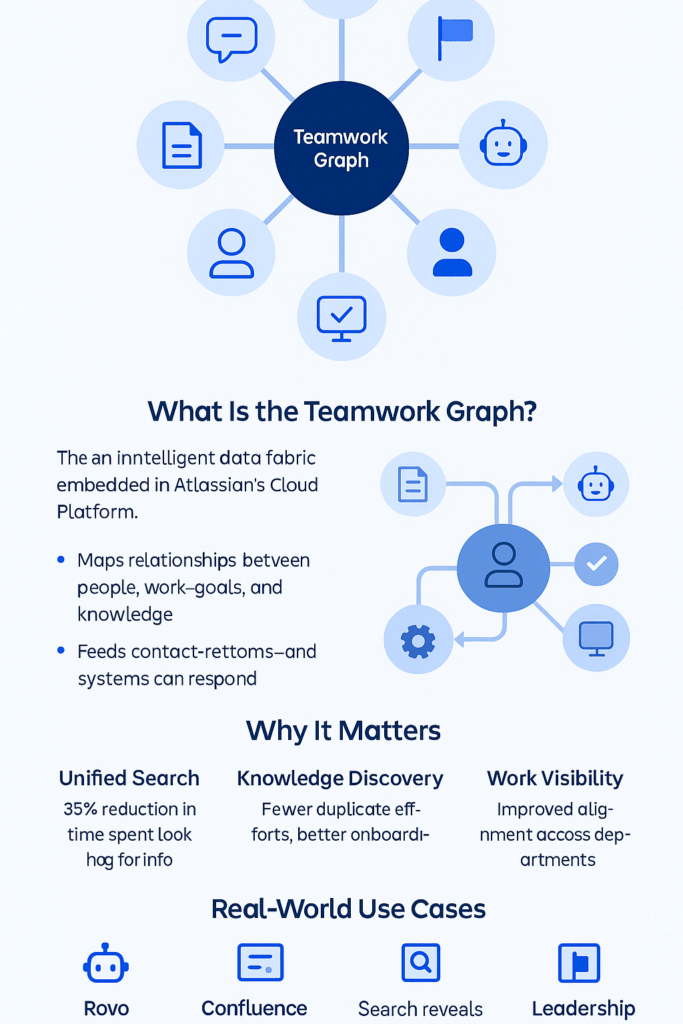
Layered on top of JSM and the broader Atlassian ecosystem is Atlassian Rovo—a secure, AI-powered assistant built on the Teamwork Graph.

Rovo doesn’t just mimic ChatGPT functionality—it provides intelligent assistance within your actual workflows, respecting permission structures and compliance boundaries. For healthcare IT teams, this unlocks tremendous value:

  • Summarize SOPs, policy documentation, or incident threads
  • Ask contextual questions about services, workflows, or knowledge base content
  • Find relevant information across Confluence, Jira, and JSM—in seconds

And perhaps most importantly: Rovo does not train on your data. It’s built for the real-world needs of highly regulated teams who can’t afford to compromise privacy or trust.

Imagine using Rovo to summarize a device’s configuration history before escalating an issue—or to instantly surface policy documentation during an audit. That’s what smart, compliant AI looks like.

Jira Plans: Bringing Strategic Visibility to Healthcare Projects

Healthcare transformation doesn’t happen in isolation. Whether it’s an EHR rollout, a digital front-door initiative, or infrastructure upgrades, success depends on coordinated execution across multiple teams.

That’s where Jira Plans (formerly Advanced Roadmaps) comes in.

Jira Plans helps you:

  • Visualize timelines, risks, and capacity across teams
  • Align IT, clinical, and business functions around shared goals
  • Provide real-time progress updates for leadership and stakeholders

For organizations dealing with fragmented systems and regulatory oversight, the ability to tie day-to-day work to long-term strategy isn’t just helpful—it’s essential.

Atlassian’s System of Work: Built for Regulated Environments

Atlassian System of Work

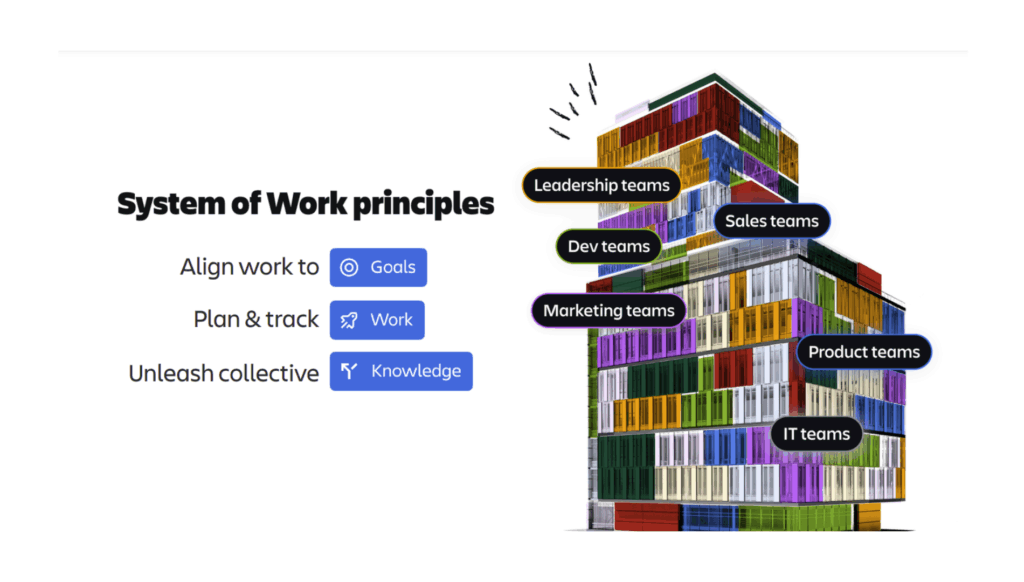
What makes these updates truly powerful is how they connect. Atlassian is evolving into a full System of Work—a modular, cloud-native ecosystem that supports everything from incident resolution to strategic planning, all in a secure and compliant environment.

For healthcare organizations, that means:

  • Reducing tool sprawl and complexity
  • Improving visibility across functions
  • Strengthening documentation and governance
  • Unlocking safe, purposeful AI

And with Oxalis as your implementation partner, you don’t have to go it alone. As an Atlassian Platinum Solution Partner with deep experience in healthcare and public sector transformation, we help you align technology with mission-critical outcomes.

What Comes Next: Let’s Reconnect

We know the conversations at HIMSS were just the beginning. If your team is still exploring ways to modernize your IT stack, reduce risk, or safely explore AI, let’s pick up where we left off.

Whether you’re ready for a roadmap workshop or just want to talk through what’s changed, we’re here.

Schedule a conversation with the Oxalis team

Scaling Smart Communication: A CIO’s Playbook for Async Video Adoption

The best tools in the world only deliver value if teams actually use them.

For CIOs leading digital transformation efforts—especially in highly regulated industries like government and healthcare—rolling out new technologies isn’t just about turning on licenses. It’s about driving thoughtful, strategic adoption that sticks.

Asynchronous video, powered by Atlassian Loom, is poised to reshape how organizations communicate. But realizing its full potential requires more than simply introducing a new recording tool. It demands leadership, cultural alignment, and a clear plan for scaling new behaviors across teams.

At Oxalis, we help IT leaders successfully integrate tools like Loom into their ecosystems. Here’s what we’ve learned about making async video adoption work—at scale, with impact, and in ways that fit tightly regulated environments.

Why Async Video Matters Now

Before diving into adoption strategies, it’s worth stepping back to remember why this shift matters so much.

Remote work, hybrid schedules, and increased operational complexity have all pushed traditional communication methods to the breaking point. Meetings are too frequent. Emails get lost in noise. Critical information often doesn’t reach the right people at the right time.

Async video solves for this by offering:

  • Human connection without the calendar chaos
  • Clearer messaging without real-time demands
  • A scalable way to lead, teach, and collaborate

But introducing async video into your organization requires intentional change management—because it’s not just a new tool. It’s a new way of working.

Key Strategies for Driving Loom Adoption at Scale

1. Start with Leadership Modeling

Adoption starts at the top. When CIOs and senior IT leaders personally use Loom for key communications—weekly updates, strategic announcements, project kickoffs—it signals to the organization that this is not just a side experiment. It’s part of how the business operates.

💡 Action Tip: Record a short Loom welcoming teams to the initiative. Model best practices like brevity, clarity, and human tone.

When leaders embrace async video, others follow.

2. Identify High-Impact Use Cases First

Not every communication needs a Loom. Start by targeting high-impact, low-friction areas where async video will make an obvious improvement.

Some top-of-mind examples are:

  • Replacing weekly status meetings
  • Delivering project updates
  • Providing onboarding walkthroughs
  • Explaining incident responses

💡 Action Tip: Work with team leads to select 2–3 pilot workflows where Loom will save time and improve clarity right away.

3. Integrate Loom into Existing Tools and Workflows

Adoption accelerates when new behaviors fit naturally into existing systems. Because Loom integrates seamlessly with Jira, Confluence, and Jira Service Management, embedding videos into existing issues, pages, and projects is frictionless.

💡 Action Tip: Train teams on how to add Loom videos to Jira tickets or Confluence documentation as part of their regular updates. Make async video a part of how work gets done—not an extra step.

4. Build Awareness and Training

New tools require enablement. Launch Loom with internal campaigns that explain the why, how, and when to use it.

Provide:

  • Short Loom-recorded tutorials
  • Best practice guides (e.g., keep videos under three minutes, focus on one topic per Loom)
  • FAQs addressing security, access, and compliance

💡 Action Tip: Create a Confluence page hub with Loom how-tos, embedded demos, and links to governance policies.

5. Measure, Celebrate, and Adjust

What gets measured gets managed. Track adoption metrics like:

  • Number of Loom videos created
  • Meeting hours saved
  • Views and engagement rates

Share early success stories across teams. Recognize power users. Adjust training and guidance based on feedback.

💡 Action Tip: Highlight time savings and user wins in leadership reports to show tangible impact early and often.

In regulated sectors, adoption plans must also account for compliance, security, and governance needs.

Fortunately, Atlassian Loom is built with enterprise-grade security features:

  • SOC 2 Type II compliance
  • Encryption at rest and in transit
  • Access controls and retention settings

Work closely with IT security teams to establish usage policies around:

  • Video retention and deletion
  • Access permissions
  • Appropriate content guidelines

Building compliance into the rollout ensures that excitement around Loom doesn’t create future risks.

Async Video: A Strategic Advantage for Modern CIOs

At a time when every organization is being asked to move faster, operate leaner, and connect more authentically, asynchronous video is no longer optional—it’s a strategic imperative.

CIOs who successfully drive Loom adoption aren’t just deploying a tool.

  • They’re leading a cultural shift:
  • Toward smarter communication.
  • Toward more engaged, empowered teams.
  • Toward digital workplaces that are agile, resilient, and human-centered.

And in highly regulated environments, doing this well sets organizations apart—not just in efficiency, but in trust, transparency, and operational excellence.

In this eBook, you’ll discover:

  • Why async video is essential for modern, hybrid teams.
  • How Loom fits into the Atlassian ecosystem to boost clarity and connection.
  • Key use cases for Loom across IT, support, leadership, and training.
  • Steps to build a culture of async communication.
  • How to roll out Loom effectively and measure its impact.

Ready to Lead the Shift?

At Oxalis, we help organizations adopt transformative technologies like Loom with a clear focus on security, compliance, and long-term success.

Let’s talk.

Oxalis Earns Atlassian’s New Software Development Specialization—First in the Americas

At Oxalis, we believe that software should empower teams—not slow them down. That’s why we’re thrilled to announce our latest achievement: Oxalis is the first Atlassian partner in the Americas to earn Atlassian’s brand-new Software Development Specialization.

This distinction isn’t just a badge. It’s a powerful recognition of the deep expertise our team brings to software development organizations navigating complexity, compliance, and scale. We’ve long supported developers in highly regulated industries, and this specialization affirms what our customers already know: Oxalis knows software development—and we know how to make Atlassian tools work harder for your teams.

What Is the Atlassian Software Development Specialization?

Announced in April 2025, the Software Development Specialization is Atlassian’s newest program to recognize partners with proven excellence in supporting modern software development. It’s designed to validate partners who consistently deliver value across developer experience, agility, and collaboration—especially in cloud-firstITSM-integrated, and compliance-driven environments.

To qualify, partners must meet rigorous requirements, including:

  • 5 Sales Accreditations in Software Development
  • 5 Technical Delivery Accreditations
  • 4 Qualified Service Engagements using Jira Product Discovery, Bitbucket, or Compass, each with 50+ users

Achieving this level of recognition isn’t easy—and that’s the point. It means customers can be confident they’re working with a partner who’s not only experienced, but deeply capable.

What It Means for You

If you’re building software in a high-stakes environment—public sector, healthcare, maritime, or aerospace—you need more than just tools. You need:

  • Proven strategies for unifying development, delivery, and operations
  • Best practices to scale agile across technical teams
  • Guidance for integrating cloud-native tools like BitbucketCompass, and Jira Product Discovery
  • A partner who can translate complexity into clarity

That’s where we come in. With this specialization, we’re even better positioned to help software teams:

  • Build smarter with early discovery and prioritization tools
  • Collaborate more effectively with cloud-native version control
  • Scale sustainably with component-based architectures and DevOps visibility
  • Align development with broader business strategy through our cross-specialization expertise

Why Oxalis?

We’re not just Atlassian experts. We’re engineers, architects, and problem-solvers who thrive in the world of complex systems and mission-critical software. Our track record includes modernizing workflows for global nonprofits, transforming IT for federal and state agencies, and enabling software agility in security-conscious environments.

And now, with four Atlassian specializations—Cloud Migration, Service Management, Enterprise Strategy & Planning, and Software Development—Oxalis is one of the most comprehensively specialized partners in the world.

Let’s Build What’s Next

Whether you’re launching a new product, rethinking your development lifecycle, or just trying to make life easier for your teams, we’re here to help.

Ready to transform your software development workflows with Atlassian?